“Medicines Are Not Groceries”: Doctors Flag “Ghost Prescriptions” and AMR Risk in 10-Minute Delivery of Medicines
A major public health controversy has erupted between India’s chemists and Quick Commerce platforms (like Blinkit and Zepto) over the sale of medicines. The All India Organisation of Chemists and Druggists (AIOCD) has flagged the use of “Ghost Prescriptions”, a practice where apps allegedly use algorithms or 30-second “tick-box” consultations to generate instant, unverified prescriptions.
This allows platforms to bypass the mandatory doctor-patient diagnosis required for Schedule H drugs (like antibiotics and sedatives) to facilitate rapid 10-minute deliveries.
The situation reached a flashpoint on December 11, 2025, when the AIOCD sent a strongly worded letter to Prime Minister Narendra Modi. In a defining statement, they asserted: “Medicines are not grocery items; healthcare cannot be run like e-commerce.” AIOCD President J.S. Shinde further escalated the warning, stating on record that “Selling medicines without proper evaluation… is an invitation to a national health disaster.” They argue that bypassing the “Doctor-Patient-Pharmacist” safety chain invites mass drug abuse and renders regulatory oversight impossible.
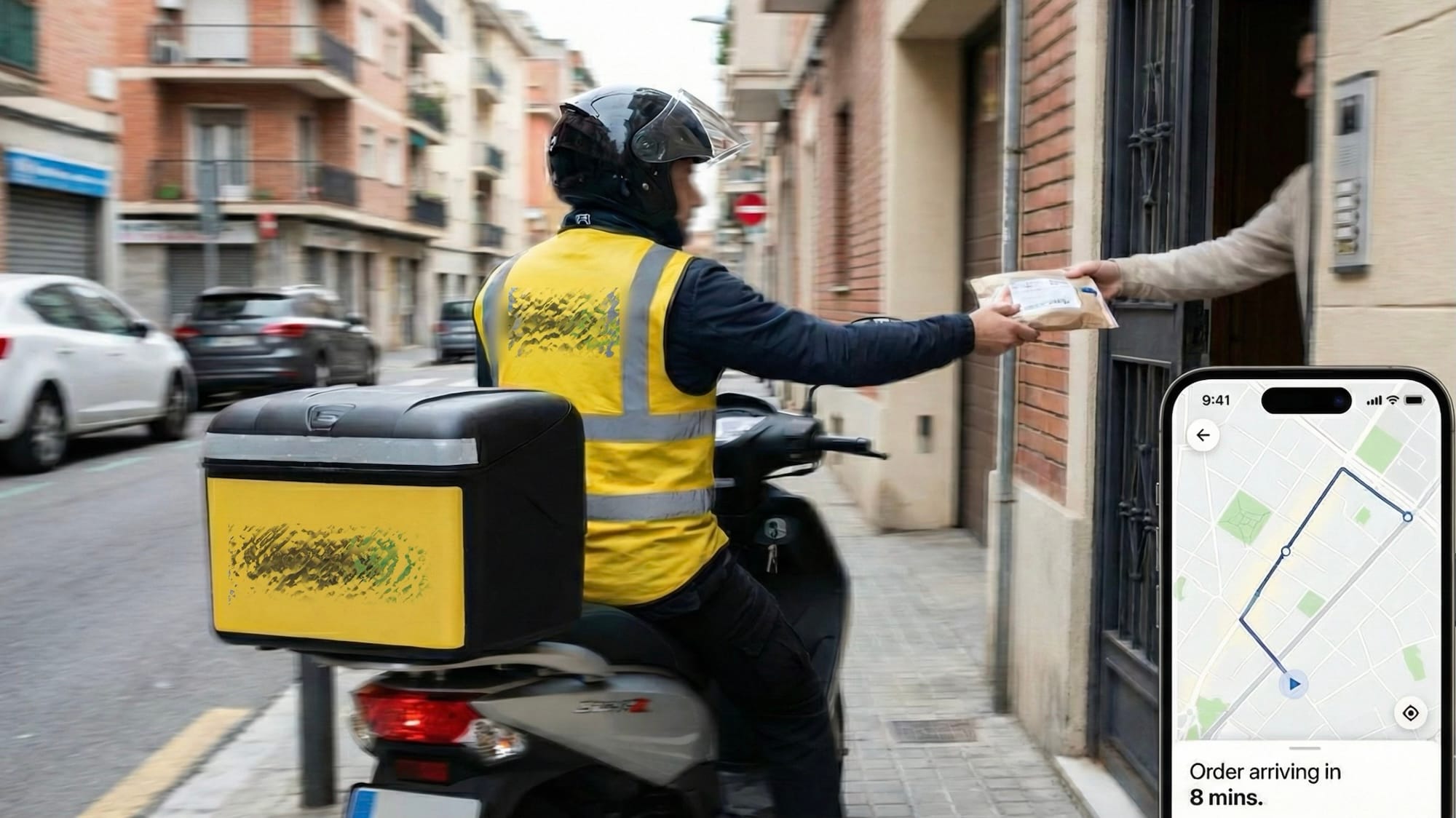
Additionally, experts have raised concerns that the “10-minute rush” compromises the cold chain integrity of temperature-sensitive drugs (like insulin), which bike riders cannot guarantee in Indian weather conditions.
The situation escalated in mid-December 2025 following a media investigation that exposed how easily restricted drugs could be ordered without valid proof.
In response to the AIOCD’s demands for a ban on these “illegal e-pharmacies,” state drug controllers in Delhi and Karnataka have reportedly initiated surprise inspections of dark stores to check for violations of the Drugs & Cosmetics Act, specifically targeting unlicensed storage and dispensing practices.