
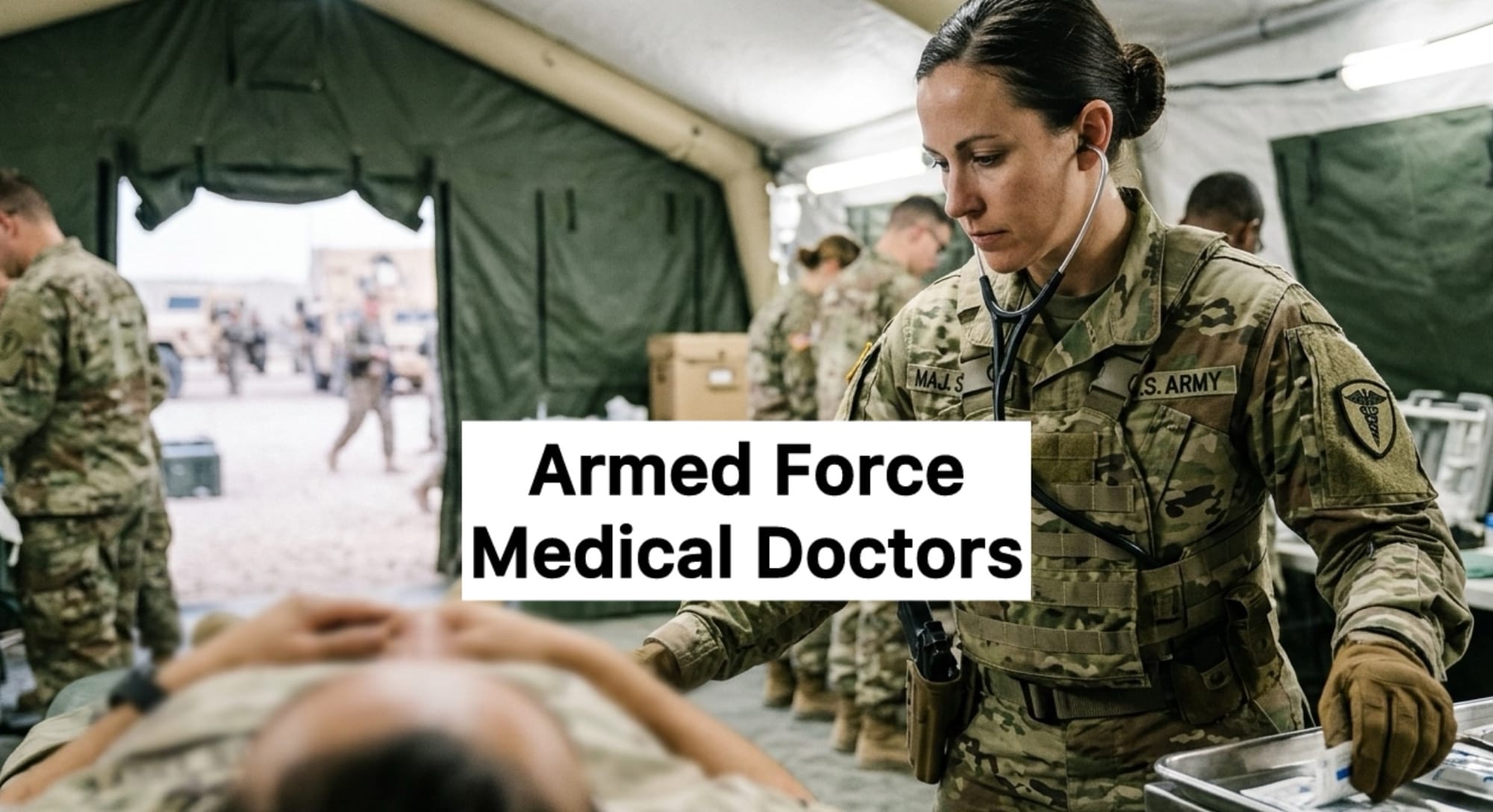
NMC Amendment 2026: One State License for Pan-India Practice for Armed Forces Doctors
In a major administrative relief for doctors serving in the military, the National Medical Commission (NMC) has officially gazette notified draft amendments on April 7, 2026, to completely overhaul the registration process for Armed Forces Medical Services (AFMS) personnel.
The Bureaucratic Nightmare
Under the original “Registration of Medical Practitioners and Licence to Practice Medicine Regulations, 2023,” every civilian and military doctor is strictly required to register and pay licensing fees in every individual state where they intend to practice.
However, following an urgent request from the Director General of Armed Forces Medical Services (DGAFMS), the NMC acknowledged that this rule creates a bureaucratic nightmare for military doctors. AFMS personnel face highly unpredictable, short-notice deployments – ranging from 179-day postings in remote borders to sudden disaster relief operations across multiple states. Forcing them to repeatedly register with different State Medical Councils (SMCs) every time they transfer was causing massive administrative friction.
The Single-State Solution
The newly notified “Amendment Regulations 2026” introduces a game-changing “single-state” exemption. Under the new draft:
• One-Time Choice: AFMS doctors will only need to register and obtain a license with one State Medical Council of their choice at the time of commissioning.
• Pan-India Validity: By virtue of their military service obligations, this single registration will act as a blanket authorization to practice medicine across any State or Union Territory in India for the entirety of their military career.
• Centralized Renewals: An AFMS doctor’s license will no longer be suspended for delayed renewals. The DGAFMS office will now take over the responsibility of submitting annual renewal data centrally to the NMC and respective SMCs.
- Delhi Health Procurement Scam: ACB Arrests Former CPA Chief Dr Vinod Kumar Ranga
- Mumbai Crime Branch Arrests EduVio Directors in Alleged NEET MBBS Admission Scam
- NEET UG 2026 Re-Exam: No Leave for Medical Students on June 20-21 Ahead of Retest
What Happens After Retirement?
The amendment clarifies that this pan-India exemption only applies to active-duty personnel. Once an AFMS doctor retires or is released from service, they must formally register with or transfer their license to the specific State Medical Council where they intend to begin their civilian practice. Furthermore, in cases of alleged professional misconduct, military doctors will remain subject to the strict disciplinary provisions of the Army Act alongside standard NMC norms.