
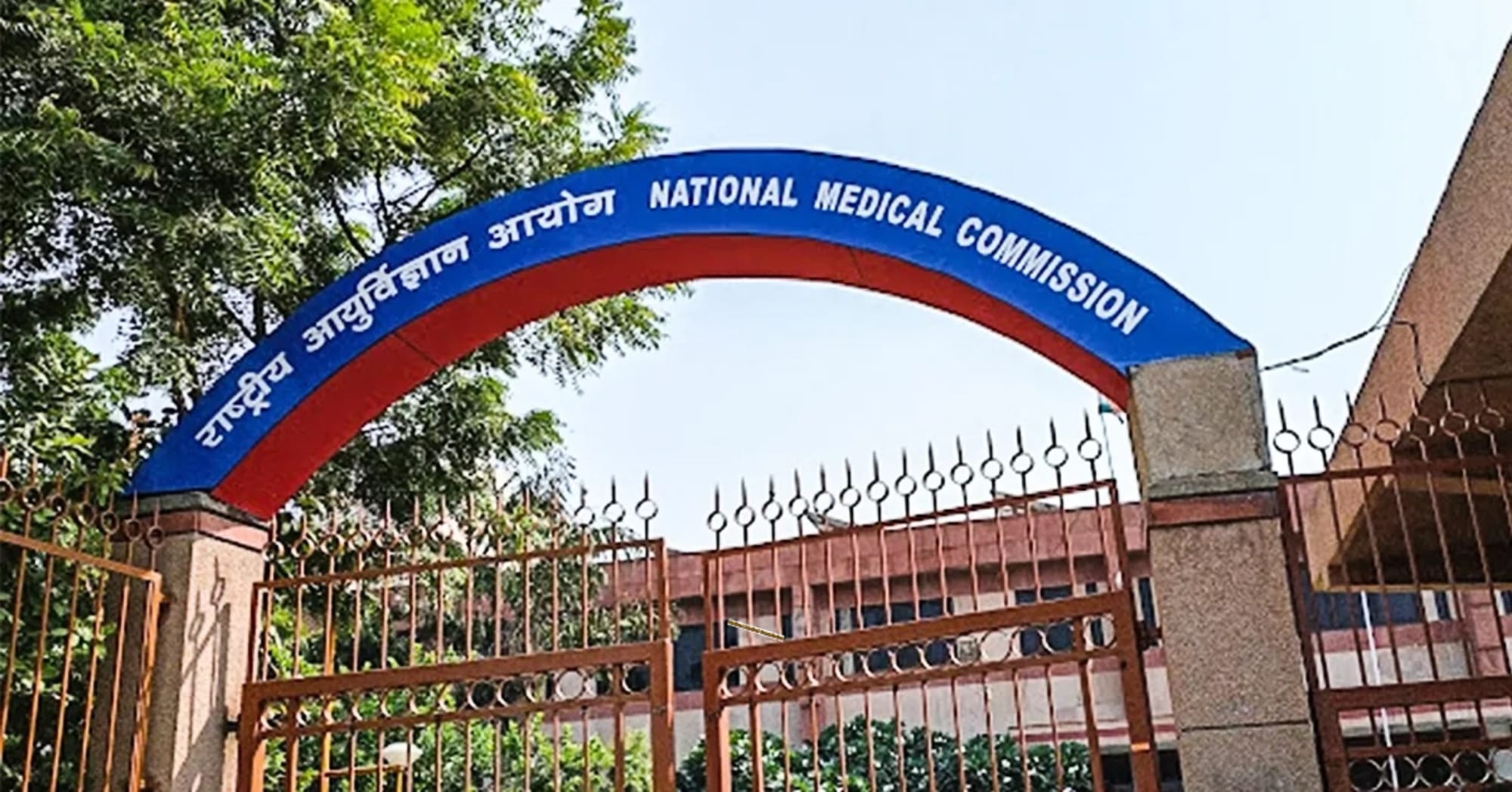
NMC Announces Complete Phase-Out of PG Diploma Medical Courses from 2027-28
The National Medical Commission (NMC) has announced one of the most significant reforms in postgraduate medical education in recent years: the complete phase-out of postgraduate (PG) diploma courses. According to the notification, admissions to PG diploma programmes will continue only until the academic year 2026–27. From 2027–28 onwards, no new admissions will be permitted, marking the end of a system that has existed in Indian medical education for decades.
This decision represents more than the discontinuation of a qualification. It reflects a broader effort by the NMC to standardize specialist medical training across the country and move entirely toward degree-based postgraduate education through MD (Doctor of Medicine) and MS (Master of Surgery) programmes.
The End of an Important Educational Pathway
For many years, PG diploma courses served as an alternative route for MBBS graduates seeking specialist training. Programmes such as Diploma in Child Health (DCH), Diploma in Obstetrics and Gynaecology (DGO), Diploma in Anaesthesia (DA), Diploma in Ophthalmology (DO), Diploma in Radiodiagnosis (DMRD), and others provided focused specialist education in a shorter duration than MD/MS courses.
These courses played a particularly important role in smaller hospitals and district-level healthcare systems. Many doctors holding diploma qualifications worked as specialists in areas where the availability of MD and MS doctors was limited. The diploma system allowed India to produce trained specialists relatively quickly and helped address workforce shortages in various disciplines.
However, despite their contribution, diploma holders often faced significant professional limitations. Many found themselves disadvantaged compared with MD/MS graduates when applying for academic positions, promotions, teaching posts, and certain specialist roles. Even though diploma students frequently trained under the same departments and faculty as MD/MS students during much of their education, their qualifications were often viewed as less comprehensive.
Also read: NMC Removes 150 MBBS Seat Cap: Will Relaxed Norms Dilute Education Quality?
Why the NMC Is Making This Change
The NMC’s decision is rooted in a long-term vision to create a more uniform and standardized postgraduate medical education system. The commission believes that degree programmes should become the primary and eventually the only route for specialist training in India.
One major argument behind the reform is consistency. Maintaining two parallel specialist-training pathways one leading to a diploma and another to an MD/MS degree, has often created disparities in career opportunities, recognition, and academic progression.
Additionally, medical colleges are already required to meet rigorous infrastructure, faculty, equipment, and patient-load requirements for postgraduate training. Since many institutions currently running diploma programmes already possess the resources necessary for MD/MS programmes, the NMC believes it is logical to convert diploma seats into degree seats.
Also read: NMC Amendment 2026: One State License for Pan-India Practice for Armed Forces Doctors
Conversion of Diploma Seats into MD/MS Seats
Rather than abruptly eliminating training opportunities, the NMC has established a transition mechanism.
Medical colleges currently offering PG diploma courses have been permitted and encouraged to apply for the conversion of those diploma seats into corresponding MD or MS seats. Applications will be processed through the Medical Assessment and Rating Board (MARB), one of the NMC’s regulatory bodies. Colleges will submit applications through an online system, and detailed timelines are expected to be announced separately.
This approach serves several purposes.
First, it prevents a sudden reduction in postgraduate training capacity. India continues to require large numbers of specialists, and eliminating diploma seats without replacement could worsen workforce shortages.
Second, it allows institutions to upgrade existing programmes rather than creating entirely new departments from scratch.
Third, it enables better utilization of faculty, infrastructure, clinical material, and teaching resources already available in medical colleges.
The Post-Graduate Medical Education Regulations (PGMER) 2023 already contained provisions encouraging the conversion of diploma seats into degree seats. These regulations also indicated that new diploma courses would not be promoted and that the future of postgraduate education would increasingly revolve around MD and MS qualifications.
Even earlier, draft regulations released after the formation of the NMC signaled the gradual phase-out of diploma courses. New diploma programmes were discouraged, and medical colleges were repeatedly invited to convert existing diploma seats into MD/MS seats.
Impact on Medical Students
For MBBS graduates, the reform will significantly alter postgraduate career planning.
Students entering the postgraduate system after 2027 will no longer have the option of pursuing diploma programmes in medical colleges. Instead, specialization will primarily occur through MD and MS degree courses.
This could have several consequences.
On the positive side, future specialists will possess qualifications that are uniformly recognized across the country. This may improve career mobility, academic opportunities, and eligibility for teaching positions.
However, some students may view the change as reducing flexibility. Diploma programmes were generally shorter and often required lower NEET-PG ranks compared with highly competitive MD/MS seats. For certain candidates, diplomas provided an accessible pathway into specialist practice.
Implications for Medical Colleges
Institutions that previously relied on diploma programmes must now adapt their postgraduate offerings to comply with the new framework. This may involve upgrading departments, expanding faculty strength, meeting revised infrastructure requirements, and obtaining approvals for converted degree programmes.
Many colleges are expected to welcome the move because they already possess the necessary facilities and can potentially increase their prestige by offering degree programmes instead of diplomas. The conversion process may also help colleges attract more applicants and strengthen their academic profile.
A Turning Point for Specialist Medical Education
the NMC’s decision reflects a broader trend toward standardization, quality assurance, and degree-focused specialist training. By shifting entirely to MD and MS programmes, regulators hope to create a more uniform educational structure, improve academic standards, and eliminate disparities between different categories of specialist qualifications.
Whether this reform ultimately improves healthcare outcomes will depend on how effectively diploma seats are converted into degree seats and whether postgraduate training capacity continues to expand. What is certain, however, is that the 2026–27 academic year will represent the final chapter in the history of traditional PG diploma admissions in India’s medical colleges.



Pingback: NEET PG 2026 Guidelines Released by NBEMS: State Preferences, Document List, and New Verification Rules. - MedSnaps