NMC Issues Show-Cause Notices to 100 Medical Colleges Over Low Patient Load and Deficiencies
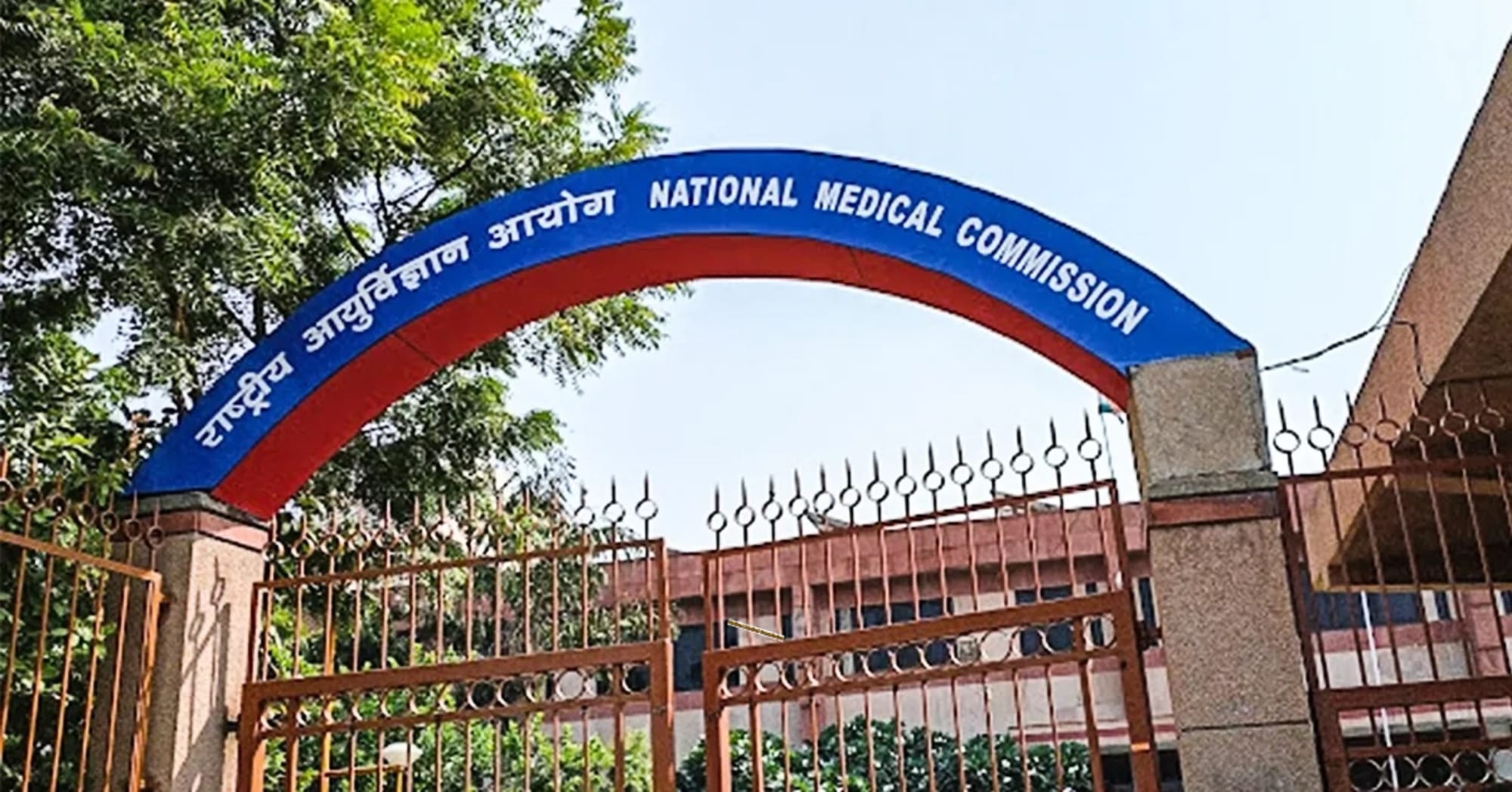
In one of the most sweeping regulatory actions of the year, the National Medical Commission (NMC) has initiated a massive crackdown on substandard medical education. The Medical Assessment and Rating Board (MARB) of the NMC has officially issued stringent show-cause notices to more than 100 medical colleges across the country. The sweeping disciplinary action comes after extensive monitoring revealed severe, systemic deficiencies, primarily involving critical shortages of teaching faculty, resident doctors, and shockingly low daily patient loads.
Exposed by AEBAS and Centralized CCTV
The glaring discrepancies were not discovered through traditional physical inspections alone, but were primarily caught by the NMC’s newly fortified digital monitoring grid. According to the regulatory reports, the Aadhaar-Enabled Biometric Attendance System (AEBAS) data exposed a widespread “ghost faculty” epidemic. Numerous institutions were found to be operating with doctors who existed solely on the college payrolls but completely failed to register their physical biometric presence on campus for weeks at a time.
Furthermore, the centralized CCTV network, which directly links the cameras of private and government medical college hospitals to the NMC headquarters in New Delhi, painted a grim picture of the clinical training environment. The live feeds exposed that several hospital wards, intensive care units, and Outpatient Departments (OPDs) were practically empty, heavily contradicting the highly inflated daily patient logs and clinical material reports submitted by the respective college administrations.
Strict Action and Official Statements
The show-cause notices demand an immediate and comprehensive explanation from the deans and principals of the flagged institutions. The medical colleges have been given a strict, time-bound window to respond and appeal. If they fail to provide satisfactory explanations or rectify these infrastructural and staffing gaps, they face drastic consequences ranging from heavy financial penalties and a reduction in their MBBS seat intake, to the complete de-recognition of the college for the 2026-2027 academic session.
Highlighting the gravity of the situation, a senior official from the NMC’s Medical Assessment and Rating Board issued a firm statement regarding the commission’s uncompromising stance.
“Our continuous, real-time monitoring through the AEBAS and centralized CCTV networks has exposed severe non-compliance regarding Minimum Standard Requirements (MSR) across multiple states,” the NMC official stated to the press. “Colleges failing to maintain the mandatory clinical material, adequate patient load, and the actual physical presence of their teaching staff will face immediate, punitive action. We are committed to ensuring that the quality of training provided to our future doctors is not compromised under any circumstances. There is a zero-tolerance policy for manipulated data.“
- MP NEET PG State Quota 2026: Service Bond, Discontinuation Penalty, and Stipend
- NEET PG 2026 Result Declared: Direct Link, Scorecard, and Cut-Off Marks
- AIIMS Jodhpur: PG Resident Dr. Raj Naresh Found Dead; Toxicity and Denied Leave Alleged
The Bottom Line
This aggressive crackdown by the NMC is exactly what the Indian medical education system needs. For far too long, “ghost faculties” and empty wards have been the dark, open secrets of numerous peripheral medical colleges. When students sacrifice years of their youth and families empty their life savings for a medical seat, they deserve to be trained in functioning hospitals, not hollow buildings. You simply cannot learn clinical medicine, surgery, or empathy from a textbook in an empty OPD. If a medical college cannot provide basic patient exposure or hire actual teachers, it has absolutely no business operating or taking admissions.