
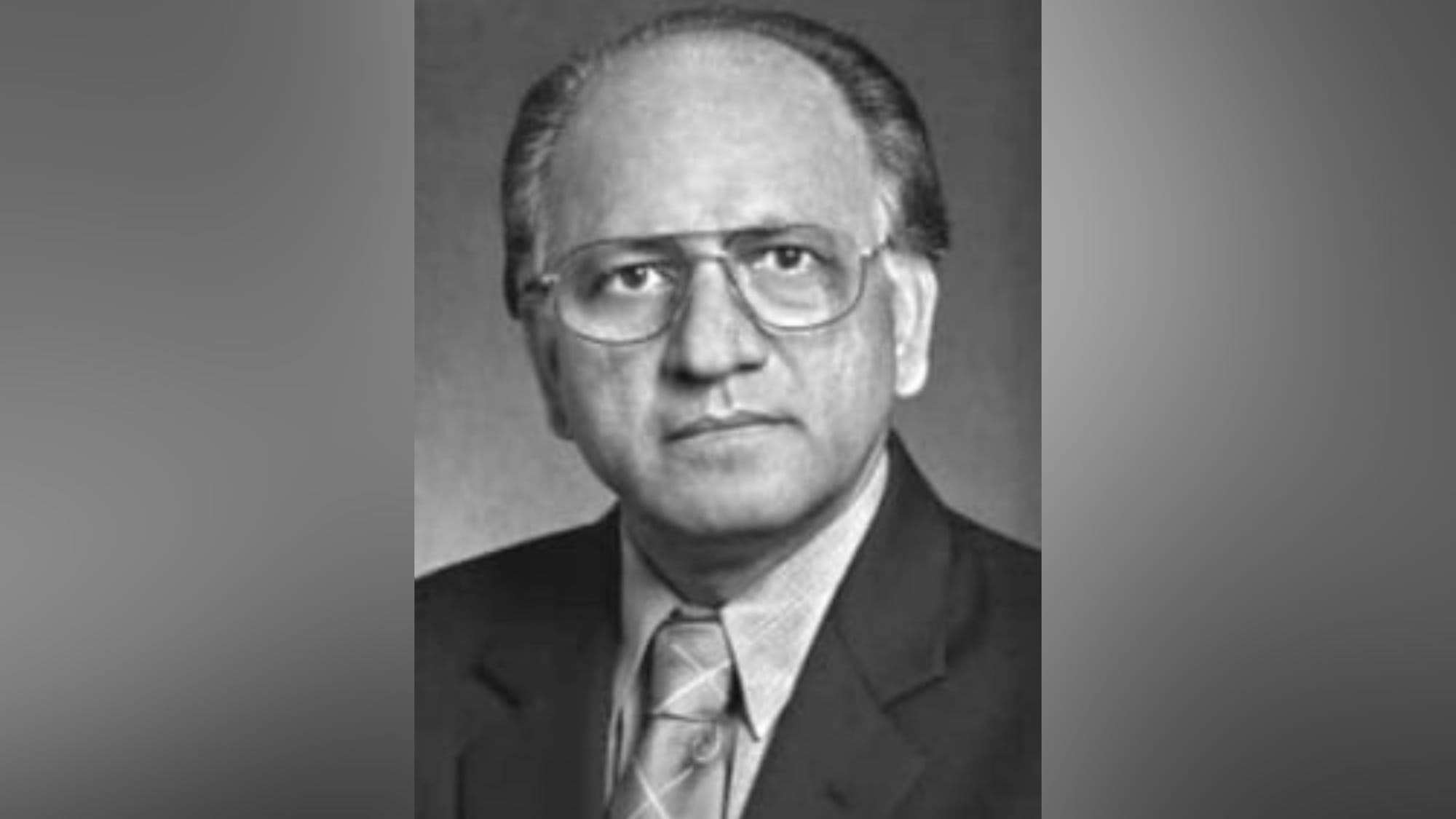
A Farewell to a Pioneer: The Legacy of Dr. Seshagiri Rao Mallampati
The global medical community is mourning the loss of Dr. Seshagiri Rao Mallampati, MD, a visionary anesthesiologist whose simple yet groundbreaking assessment tool forever changed the practice of airway management. Dr. Mallampati passed away on February 9, 2026, at the age of 85, leaving behind a legacy that continues to guide anesthesiologists around the world every day. The announcement of his passing was respectfully shared by the Andhra Medical College Alumni of North America (AMCANA), an institution to which he brought immense honor.
Early Life and Journey to Medicine
Born in 1941 in the village of Patchalatadiparru in the Guntur District of Andhra Pradesh, India, Dr. Mallampati dedicated his life to the advancement of medical science. He commenced his medical studies in 1963, eventually transferring to Andhra Medical College, where he graduated with his MBBS in 1968.
In 1971, he emigrated to the United States to advance his medical training. He completed his residency in anesthesiology at the Lahey Clinic Foundation in Boston, which was followed by a clinical fellowship at Harvard Medical School. Throughout his distinguished career, he served as an attending anesthesiologist at the Boston Hospital for Women and later at Brigham and Women’s Hospital, while also serving as an Assistant Professor of Anesthesiology at Harvard Medical School.
- MP NEET PG State Quota 2026: Service Bond, Discontinuation Penalty, and Stipend
- NEET PG 2026 Result Declared: Direct Link, Scorecard, and Cut-Off Marks
- AIIMS Jodhpur: PG Resident Dr. Raj Naresh Found Dead; Toxicity and Denied Leave Alleged
The Genesis of the Mallampati Score
Dr. Mallampati’s most defining contribution to medicine was born directly out of a clinical challenge. In 1975, while assisting with a cesarean section, he encountered a particularly difficult tracheal intubation. Although the patient appeared to have normal head and neck anatomy, Dr. Mallampati observed that the base of her tongue completely concealed her tonsils and uvula. He hypothesized that the size of the tongue relative to the capacity of the oropharynx was a critical predictor of difficult laryngoscopy.
Driven by this observation, he formalized his inquiry into a prospective study involving 210 patients. In 1985, he published his landmark paper in the Canadian Anaesthetists’ Society Journal. He proposed a non-invasive, preoperative grading system based on the ability to visualize specific pharyngeal structures – the faucial pillars, the soft palate, and the base of the uvula – when a patient opens their mouth and protrudes their tongue.
The original Mallampati scoring system categorized airways into three classes:
• Class 1: Faucial pillars, soft palate, and uvula are clearly visible.
• Class 2: Faucial pillars and soft palate are visible, but the base of the tongue masks the uvula.
• Class 3: Only the soft palate is visible.
(Note: A fourth class, where only the hard palate is visible, was later added to the system in 1987 by researchers Dr. Samsoon and Dr. Young to further refine airway assessment).
An Enduring Global Legacy: Dr. Mallampati’s classification system was revolutionary because of its elegance, simplicity, and clinical utility. By quickly identifying patients who might present a “difficult airway,” his scoring system gave medical professionals a vital tool to prepare for life-threatening complications, ultimately improving surgical safety worldwide.
After a long and deeply impactful career, Dr. Mallampati retired from medical practice in 2017. His passing in February 2026 marks the end of an era, but his name will remain an absolute cornerstone of modern medical education and daily clinical practice. As AMCANA aptly noted in their tribute, he remains a source of immense inspiration to the medical fraternity worldwide.



Pingback: Inspiring Journey of Dr SI Padmavati: India's First Female Cardiologist - MedSnaps