Cadaver Remarks Row: Karnataka to Issue India’s First Body Donation Guidelines
A distasteful joke made at a stand-up comedy club in Mumbai has unexpectedly triggered a major policy shift across state lines. In the wake of the massive national outrage over a medical student’s inappropriate remarks about human cadavers, the Karnataka government has taken a proactive step. Setting a national precedent, Karnataka is set to become the first state in India to announce formal, strict guidelines dictating how medical students must respectfully handle donated human bodies during anatomy training.
The Action in Karnataka
While basic protocols governing body donation already exist in medical colleges, Karnataka’s Medical Education Minister, Dr. Sharan Prakash Patil, stated that these new guidelines will act as a dedicated framework for ethical conduct. The state’s medical ethics committee is scheduled to meet next week to formalize rules that will prescribe specific disciplinary actions for any student found disrespecting a cadaver.
“Although our state has had no such cases recently, body donation is one of the noblest forms of donation. We are issuing these guidelines as a preventive measure,” Dr. Patil emphasized. With 72 medical colleges housing over 13,000 students, Karnataka’s proactive step ensures that donated bodies are strictly used for education and research, while reinforcing accountability among future doctors.
The Catalyst: The Comedy Club Controversy
The nationwide debate on medical ethics was ignited earlier this month when an old clip from a live crowd-work comedy show, “The Ashleel Show” hosted by comedian Pranit More, resurfaced and went viral. During an audience interaction, a final-year MBBS student from Mumbai’s prestigious KEM Hospital made inappropriate and highly insensitive jokes comparing the private parts of male cadavers dissected during anatomy postings.
The Outrage and Aftermath
The viral video drew immediate, fierce condemnation from the entire medical fraternity, including the All India Medical Students’ Association (AIMSA). Senior doctors argued that such trivializing remarks deeply hurt the sentiments of donor families and could severely damage public trust in voluntary body donation programs – a system that medical colleges heavily rely upon.
Facing intense backlash, the medico issued a public apology, admitting her comments were naive and in poor taste. Consequently, the KEM Hospital administration placed her on a 15-day compulsory leave pending an internal institutional inquiry. The legal repercussions were equally swift; the Maharashtra Cyber Police registered an FIR against the comedian and the student, summoning her for an interrogation that reportedly lasted over eight hours.
The “Silent Teachers” of Medicine
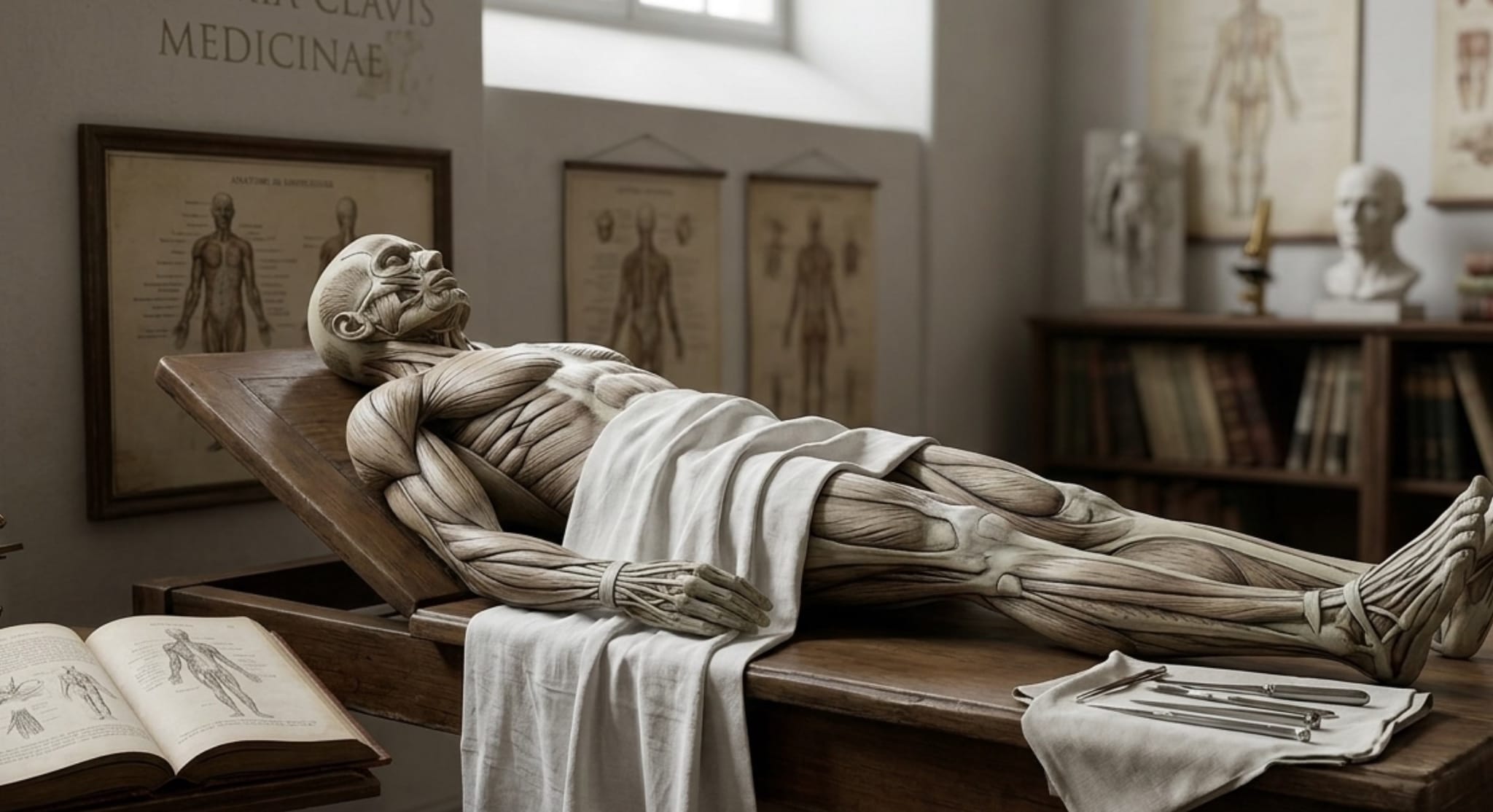
In medical education, a cadaver is universally respected as a student’s “first teacher.” According to Dr. Y.C. Yogananda Reddy, president of the Karnataka Medical Council (KMC), students are made to take a solemn oath on their very first day to reaffirm their respect before beginning dissection. Senior neurosurgeons note that while 17-year-old medical students may initially experience fear or disgust, time and constant exposure often desensitize them. By instituting these new guidelines, Karnataka aims to ensure that this natural desensitization never devolves into casual disrespect.
A cadaver in an anatomy hall isn’t just a biological specimen; it is a profound gift. Someone consciously chose to bypass their own final rites so that a teenager could learn how to save a life. While dark humor is often a natural coping mechanism in high-stress medical environments, it crosses a dangerous line when it strips a donated body of its basic human dignity. Karnataka’s proactive move is a highly welcome step – not to police laughter, but to remind future doctors that their very first patient is a silent teacher who deserves absolute reverence.