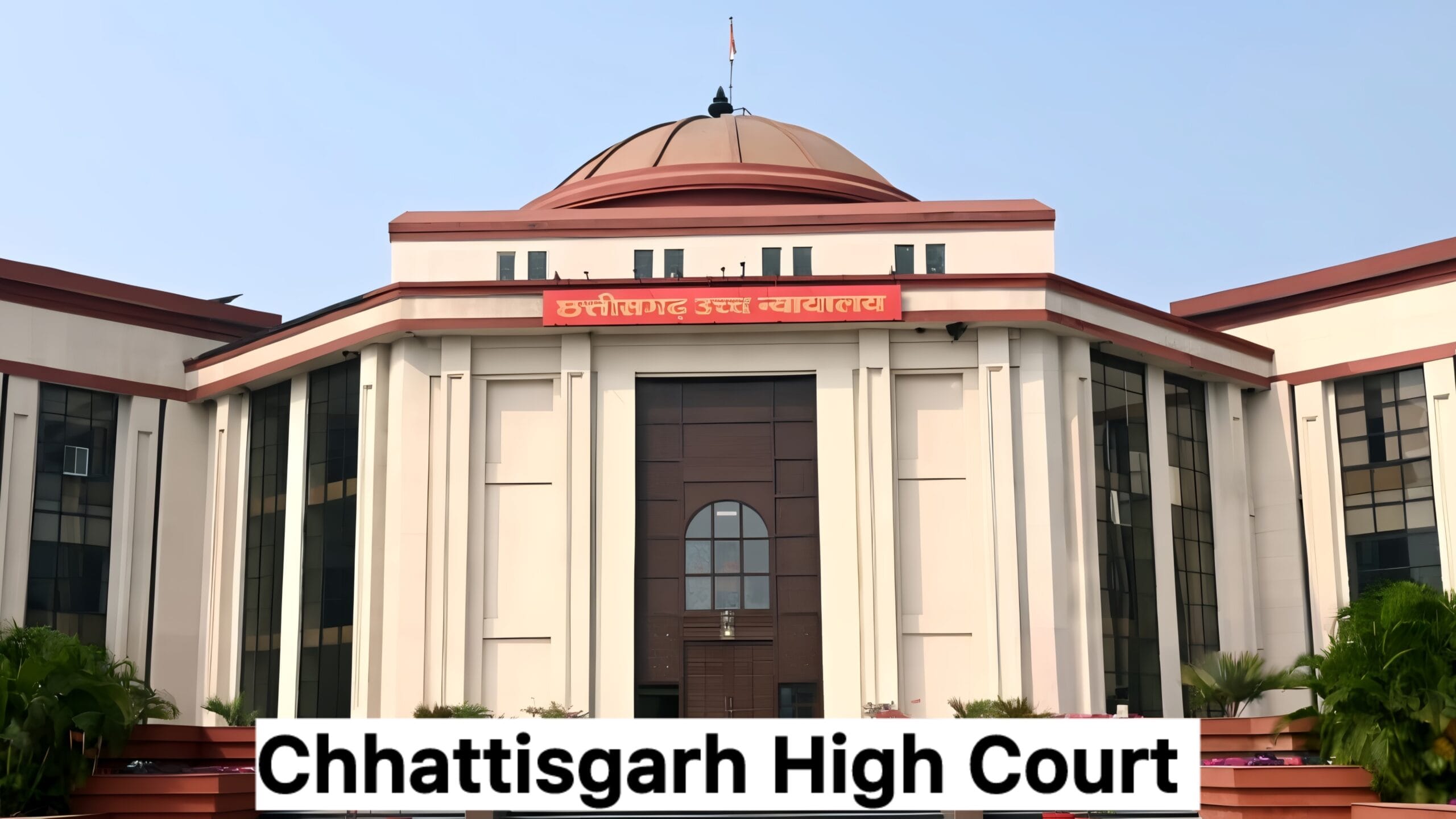
Four MBBS Doctors Freed From Rural Service Bond in Chhattisgarh High Court Ruling
In a significant judgment with implications for medical bond policies across India, the Chhattisgarh High Court has ruled that four MBBS graduates cannot be compelled to serve under the state’s mandatory rural service bond because the government failed to appoint them within the legally prescribed timeline.
The decision, reported on June 22, 2026, stems from a dispute involving four graduates of the Chhattisgarh Institute of Medical Sciences (CIMS), represented by advocate Ashutosh Mishra, Bilaspur, who completed their MBBS degree in 2024 and finished their compulsory rotating internship in May 2025. At the time of admission, the students had signed service bonds requiring them to serve the state government for two years after graduation, particularly in underserved and Naxal-affected districts such as Bijapur and Narayanpur.
However, a critical procedural lapse by the state government ultimately proved decisive. Under Rule 10(vi) of the Chhattisgarh Medical, Dental and Physiotherapy Undergraduate Admission Rules, 2025, the government was required to issue appointment orders within six months of the completion of the MBBS course and internship. The High Court found that this deadline was not merely advisory but mandatory.
The ruling highlights a recurring issue in public healthcare administration: governments often insist on strict compliance from medical graduates while failing to comply with their own statutory obligations. The judgment sends a strong message that administrative inefficiency cannot be used to curtail the rights of doctors who have fulfilled every legal requirement imposed upon them.
also read: Karnataka High Court: Medicos Cannot Challenge Bond Service After Subsidies Education
What Led to the Legal Battle?
The four doctors had completed their internship in May 2025, which meant the state government had until November 2025 to issue valid appointment orders under the applicable admission rules.
According to court records, no appointments were issued during this six-month statutory period. As a result, the doctors argued that their bond obligations had automatically lapsed under the provisions governing the scheme. They subsequently approached the High Court seeking cancellation of the service bonds, issuance of No Objection Certificates (NOCs), and release of their MBBS degree certificates.
The controversy escalated when the Chhattisgarh Health Department initiated counselling for compulsory government service on December 8, 2025, followed by appointment orders on December 24, 2025. The graduates were posted to health facilities in the Naxal-affected districts of Bijapur and Narayanpur. By that time, however, the six-month deadline prescribed under the rules had already expired.
The petitioners contended that the government could not revive a bond obligation that had already ceased to exist under the law. Their legal team argued that the admission rules clearly specified a six-month window for appointments and that any delay beyond that period rendered the bond unenforceable.
also read: Karnataka Mandates 10-Year Service Bond for Doctors Pursuing DNB and Diploma
Government Defends Rural Service Bond Policy
The state government strongly opposed the petition. Officials argued that the graduates had voluntarily signed service bonds while accepting subsidised medical education at government institutions. According to the government’s submissions, the purpose of the bond policy was to address severe shortages of doctors in rural, remote, and underserved regions, particularly government hospitals and primary health centres.
The state further maintained that the petitioners had participated in the counselling process and were therefore bound by the subsequent appointments. Authorities argued that refusing to join service amounted to a violation of the bond agreement.
The government also highlighted the financial consequences built into the bond system. Under the policy, doctors who failed to fulfil service obligations could face substantial penalties ₹25 lakh for unreserved category candidates and ₹20 lakh for reserved category candidates.
From the government’s perspective, permitting graduates to walk away from the bond would undermine efforts to strengthen healthcare delivery in difficult and underserved regions. Officials argued that the bond represented a fair exchange: state-supported medical education in return for public service.