Senior Nagpur Physician Dies After Suspected Anaesthetic Drug Overdose inside Hospital cabin, Investigation Underway
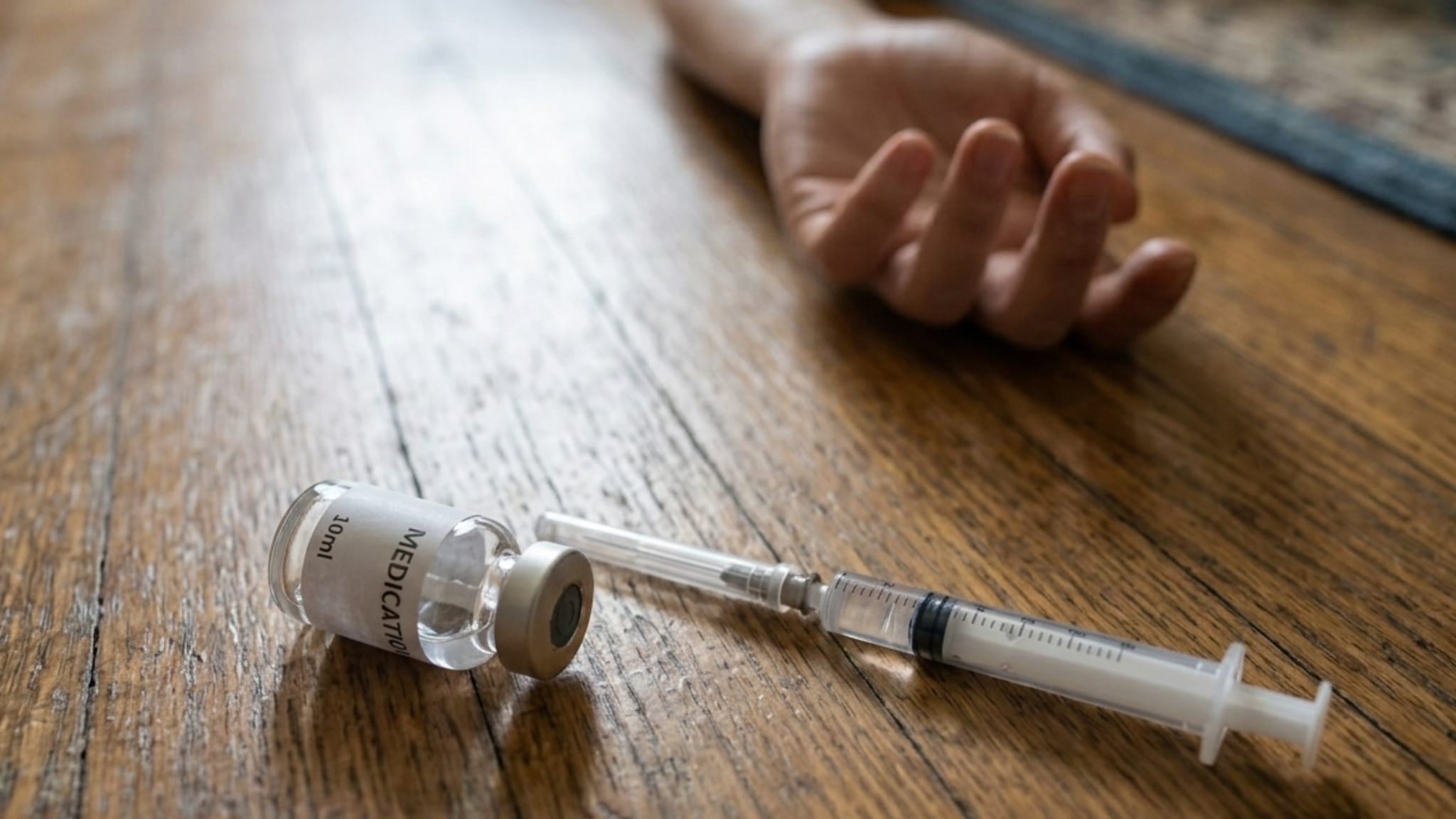
The medical community in Nagpur has been left stunned following the death of 42-year-old senior medical practitioner Dr Eshwar Chandewar, the administrative in-charge of Neuron Hospital in Dhantoli. According to police and hospital officials, Dr Chandewar was found unconscious inside his cabin on June 22, 2026, after remaining unresponsive for several hours. Despite immediate efforts by colleagues and critical care teams, he could not be revived. Preliminary findings suggest death due to an overdose of anaesthetic medication, although the exact circumstances remain under investigation. No suicide note was recovered from the scene, and authorities have stated that the motive remains unclear.
The incident has generated widespread concern across Maharashtra’s medical circles, particularly because Dr Chandewar was regarded as an efficient administrator and respected clinician. Hospital staff reportedly became concerned when he failed to emerge from his cabin after reporting for duty early in the morning. Police later forced open the locked room and discovered him slumped in a chair. Investigators have ruled out immediate evidence of foul play based on CCTV footage and preliminary forensic observations. An autopsy reportedly revealed injection marks and findings consistent with anaesthetic drug overdose, while viscera samples have been preserved for further examination.
Also read: West Bengal Medical Student Death: 21-Year-Old Commits Suicide After Failing Exam
Investigation Continues as Questions Remain Unanswered
Senior police officials have confirmed that a detailed investigation is underway. Authorities are examining personal, professional, and family-related factors while analysing digital evidence and witness statements. Reports indicate that Dr Chandewar’s mobile phone remains locked, limiting investigators’ ability to reconstruct his final communications. While some preliminary inquiries have explored the possibility of personal or family stressors, police have emphasized that no definitive cause or trigger has yet been established. As with all such investigations, conclusions will depend on forensic findings and corroborated evidence rather than speculation.
The tragedy comes just months after the death of another senior figure associated with the institution, further deepening the sense of grief within the hospital community. However, beyond the immediate investigation, the incident has reignited a broader discussion about physician mental health in India. Mental health experts and senior doctors have pointed out that healthcare professionals often work under extraordinary emotional, administrative, and professional pressures while simultaneously facing stigma around seeking psychological support. The death of a senior doctor in a workplace environment has once again highlighted the urgent need for confidential mental health services, institutional wellness programmes, and a culture that allows doctors to seek help without fear of judgment or professional repercussions.
Also read: Bareilly: FIR Against 4 Senior Doctors After MD Student’s Suicide Attempt
A Reminder of the Silent Crisis in Medicine
While the facts surrounding Dr Chandewar’s death are still being established, the incident serves as a sobering reminder that physicians are not immune to psychological distress. Across India, conversations around burnout, compassion fatigue, workplace stress, administrative burden, and mental health support have gained increasing prominence. Healthcare organizations have repeatedly called for structured support systems that move beyond symbolic awareness campaigns and provide accessible, stigma-free care for doctors, residents, nurses, and allied healthcare workers.
For the medical fraternity, the loss of a colleague under such circumstances is more than a news event, it is a call to examine the support structures available to those who spend their lives caring for others. As investigations continue, the focus remains on understanding the facts while also addressing the larger questions this tragedy raises about physician wellbeing and mental health in modern healthcare.