
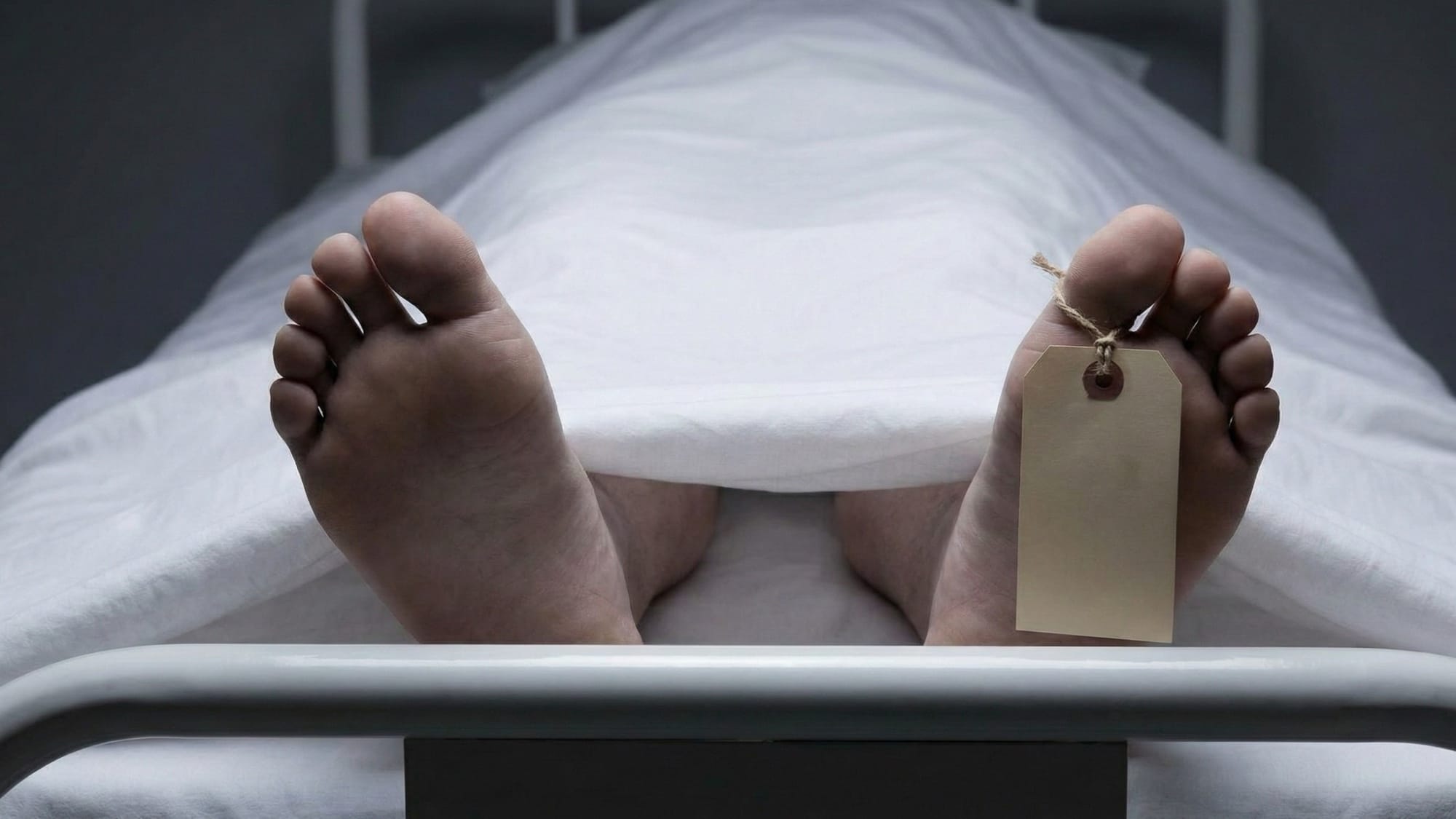
United Medicity Medical College Student Death Under Investigation After Poisoning Found in Post-Mortem
The sudden death of a 22-year-old fourth-year MBBS student, identified as Shristi Mishra, at United Medicity Medical College, Prayagraj , has sparked outrage, grief, and growing demands for transparency after her family alleged foul play and sought a detailed police investigation. What initially appeared to be an unexplained hostel-room death has now evolved into a potentially serious medico-legal case following reports that the post-mortem examination indicated poisoning as the cause of death, though the exact toxic substance remains unidentified.
According to reports, the student, a native of Madhya Pradesh and a fourth-year MBBS candidate, was found unconscious in her hostel room on Sunday morning and was rushed to hospital. Despite emergency medical intervention, she was declared dead shortly after arrival. The incident has shocked fellow students and faculty members, particularly because the deceased was reportedly active, healthy, and nearing completion of her undergraduate medical training.
While authorities have urged caution until investigations conclude, the family’s allegations have intensified public scrutiny of the circumstances surrounding her final hours.
Also read: Bhopal MBBS Student Death: Acid Bottle Found, Roommates Cite Study Pressure
Family Rejects Illness Narrative, Calls for Thorough Investigation
In a written complaint submitted to police, the student’s father questioned the circumstances surrounding her death and asserted that his daughter had been in good health before the incident. According to the family, she had spoken with relatives on the night of June 20 , during which she reportedly did not mention any physical illness, emotional distress, academic concerns, or other issues that would indicate an impending medical emergency.
The following morning, however, the family allegedly received information that her condition had suddenly deteriorated and that she had been admitted to the Intensive Care Unit in critical condition. Within a short period, they were informed of her death. The abrupt sequence of events has led relatives to question whether all relevant facts have been disclosed and whether the death resulted from causes other than those initially suggested.
A major point of disagreement concerns reports suggesting that the student may have suffered from epileptic seizures. Her family has categorically denied this claim, stating that she had never been diagnosed with epilepsy or any chronic neurological disorder. While relatives acknowledged that she underwent a leg surgery approximately two to two-and-a-half years ago, they maintained that she recovered completely and enjoyed normal health thereafter.
The family has therefore demanded registration of an FIR and a comprehensive investigation that examines all possible angles rather than prematurely attributing the death to a pre-existing medical condition.
Post-Mortem Findings Shift Investigation Toward Toxicology
The most significant development in the case emerged after the post-mortem examination reportedly indicated poisoning as the cause of death. However, investigators have not yet identified the specific substance involved, and toxicology reports are awaited. This distinction is critical because poisoning can result from multiple scenarios, including accidental exposure, intentional self-harm, medication misuse, environmental contamination, or criminal administration of toxic agents. At present, no official conclusion has been reached regarding the manner of death.
Forensic experts generally caution against drawing definitive conclusions until chemical analysis reports become available. Toxicological investigations often require detailed laboratory evaluation of blood, tissue, gastric contents, and other biological samples before identifying a causative agent. In many medico-legal cases, these reports become the decisive evidence that shapes the direction of police investigations.
The fact that poisoning has reportedly been identified while the exact agent remains unknown underscores the complexity of the investigation. Investigators will likely examine the student’s hostel environment, food and beverage sources, medication history, electronic communications, social interactions, and any potential exposure to toxic substances in the days preceding her death.
- MP NEET PG State Quota 2026: Service Bond, Discontinuation Penalty, and Stipend
- NEET PG 2026 Result Declared: Direct Link, Scorecard, and Cut-Off Marks
- AIIMS Jodhpur: PG Resident Dr. Raj Naresh Found Dead; Toxicity and Denied Leave Alleged
Police Confirm Complaint, Investigation Underway
Following the post-mortem examination and the completion of last rites, police officials confirmed receipt of a written complaint from the victim’s father. According to statements cited in local reports, an investigation has been initiated and authorities are examining the allegations raised by the family.
Investigators are expected to review hostel records, CCTV footage, witness statements, call records, and forensic evidence to reconstruct the student’s final movements and interactions. Given the allegations of foul play and the preliminary post-mortem findings, the case is likely to receive heightened scrutiny from both law enforcement authorities and the medical community.
The bottom line
The death of a young medical student resonates deeply across India’s healthcare community. Medical students routinely face intense academic pressures, long study hours, demanding clinical responsibilities, and separation from family support systems. While most students navigate these challenges successfully, every unexplained campus death raises legitimate concerns about institutional safeguards and student support mechanisms.
Importantly, this case also highlights the necessity of transparent communication during medical and forensic investigations. Conflicting narratives, whether involving alleged medical conditions, mental health concerns, or other explanations, can quickly erode trust when not supported by documented evidence. For both families and institutions, transparency is essential to ensuring confidence in the investigative process.
As toxicology findings are awaited, the death of this fourth-year MBBS student remains a developing medico-legal case ,one that has left a grieving family seeking answers and a medical community demanding the truth.

Pingback: Varanasi: IMS BHU Anaesthesia Resident Found Dead; 3-Page Note Recovered - MedSnaps