
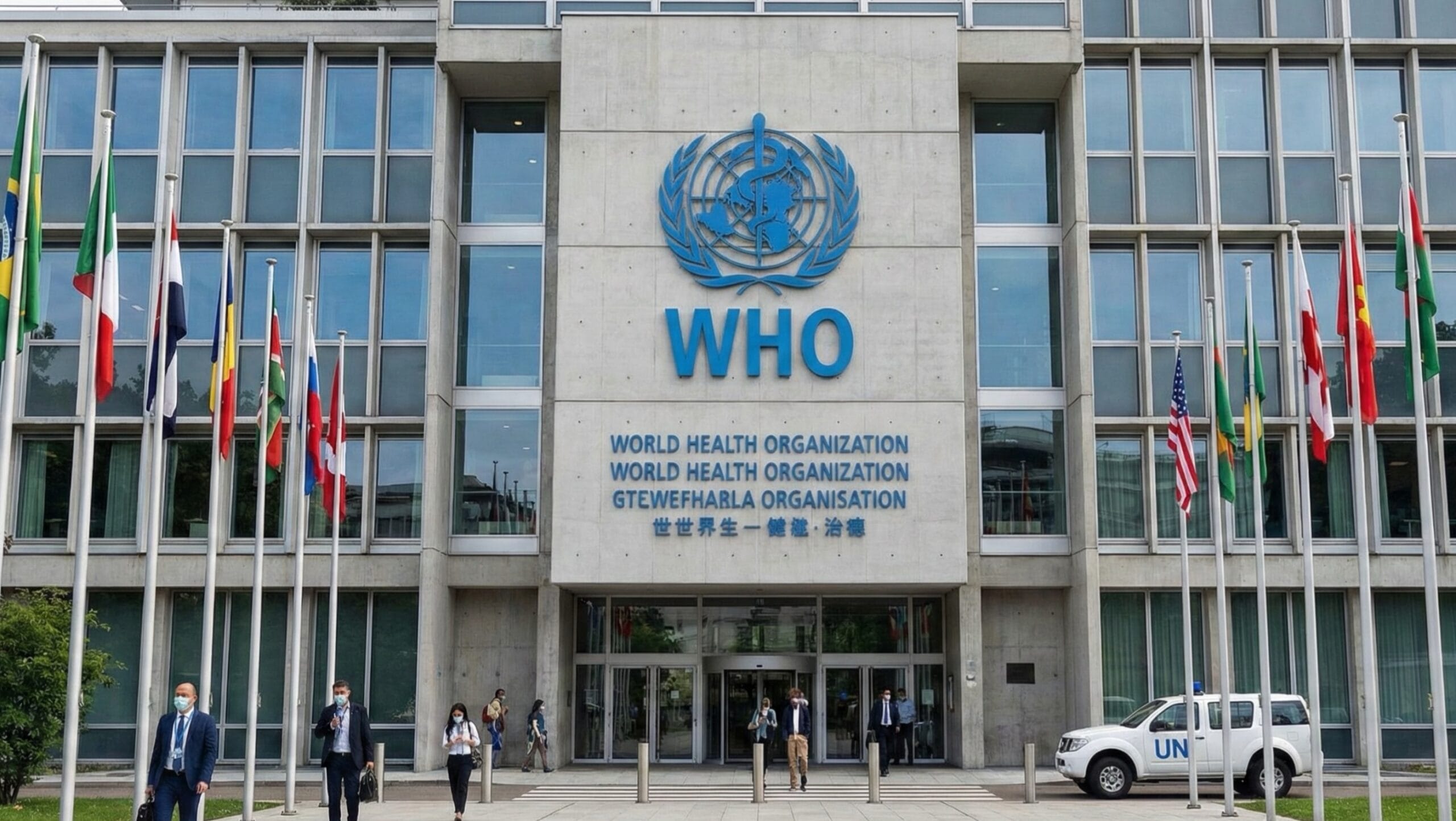
Much Hyped “WHO Recommended Doctor-Population Ratio of 1:1000” Isn’t Real; Here’s The Truth
The “1 doctor per 1,000 population” rule is widely cited by governments and media (including in India), but the World Health Organization (WHO) has clarified that this is not an official recommendation.
Here is the reality behind the number:
The WHO has stated that it does not prescribe a blanket “ideal” doctor-population ratio for every country because healthcare needs vary based on disease burden, geography, and infrastructure. The 1:1000 figure is often used for broad international comparisons, but it was never intended as a strict planning benchmark for nations.
- Delhi Health Procurement Scam: ACB Arrests Former CPA Chief Dr Vinod Kumar Ranga
- Mumbai Crime Branch Arrests EduVio Directors in Alleged NEET MBBS Admission Scam
Instead of looking at doctors in isolation, the WHO recommends a composite density of health workers (Doctors + Nurses + Midwives).
- Old Standard (2006): 2.3 health workers per 1,000 people (to achieve basic Millennium Development Goals).
- Current Standard (SDG Era): 4.45 health workers per 1,000 people.
This higher threshold is what the WHO currently suggests is necessary to achieve Universal Health Coverage (UHC) and the Sustainable Development Goals (SDGs).