
MP MBBS Intern Stipend Hike: Government Approves ₹21,500 Pay
Medical interns across Madhya Pradesh have officially ended their three-day strike after the state government agreed to a 50% increase in their monthly stipend. The protests concluded on Wednesday following successful negotiations.
The Protest and Police Clashes
The agitation was sparked by interns demanding a stipend increase from ₹14,337 to ₹30,000.
Protests escalated on Monday when police used water cannons on junior doctors attempting to march from Bhopal’s Hamidia Hospital.
On Tuesday, furious interns blocked Kamla Park traffic, demanding a stipend hike, ₹1.5 lakh compensation for injured peers, and action against involved police.
Interns argued that despite an annual course fee of nearly ₹1 lakh, their compensation was significantly lower than peers in states like Tamil Nadu and Gujarat.
The ₹21,500 Settlement
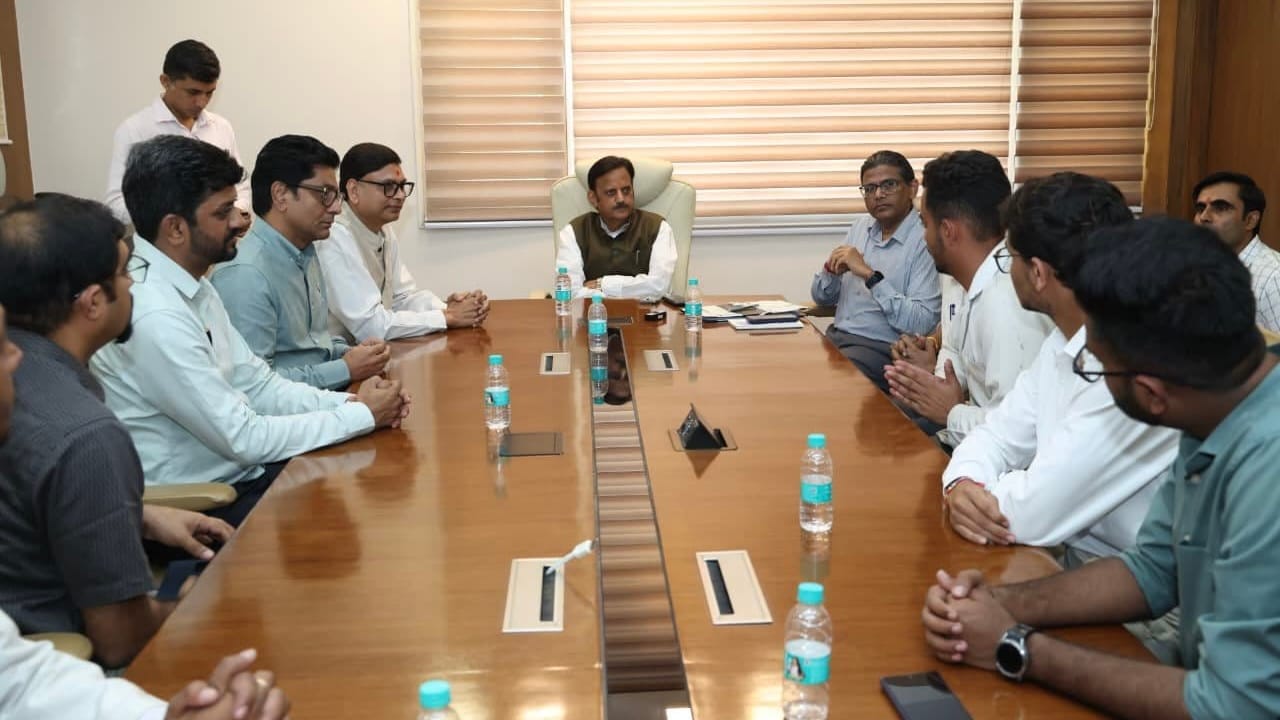
The deadlock broke after a 90-minute meeting on Wednesday at the state ministry.
Talks involved Deputy Chief Minister Rajendra Shukla, JUDA, and the Medical Teachers Association.
The government initially proposed ₹18,500, but interns rejected the offer.
Following discussions with Chief Minister Dr. Mohan Yadav, the monthly stipend was finalized at ₹21,500.
Deputy CM Shukla assured that two police officers involved in Monday’s incident were removed from active duty (line attached) pending an inquiry, and injured students will receive proper treatment.
- MP MBBS Intern Stipend Hike: Government Approves ₹21,500 Pay
- NEET PG 2026 Bilaspur Server Crash: Google Windows Open on Secure Exam Computers
- NEET PG 2026 Power Failure in Jaipur: NBEMS Announces Re-Exam on September 5
The Bottom Line
The resolution of the Madhya Pradesh intern strike is a significant win, but it highlights a troubling trend. Why must young medical professionals, who form the backbone of hospital OPDs, face police water cannons to secure a livable wage? While the 50% hike to ₹21,500 is a relief, it falls short of the ₹30,000 originally demanded. The lack of a unified, national intern stipend policy by the NMC creates massive state-by-state disparities, forcing junior doctors to fight political battles instead of focusing entirely on clinical training.