PGI Chandigarh Resident Doctors Flag 30-Hour Shifts and Severe Burnout
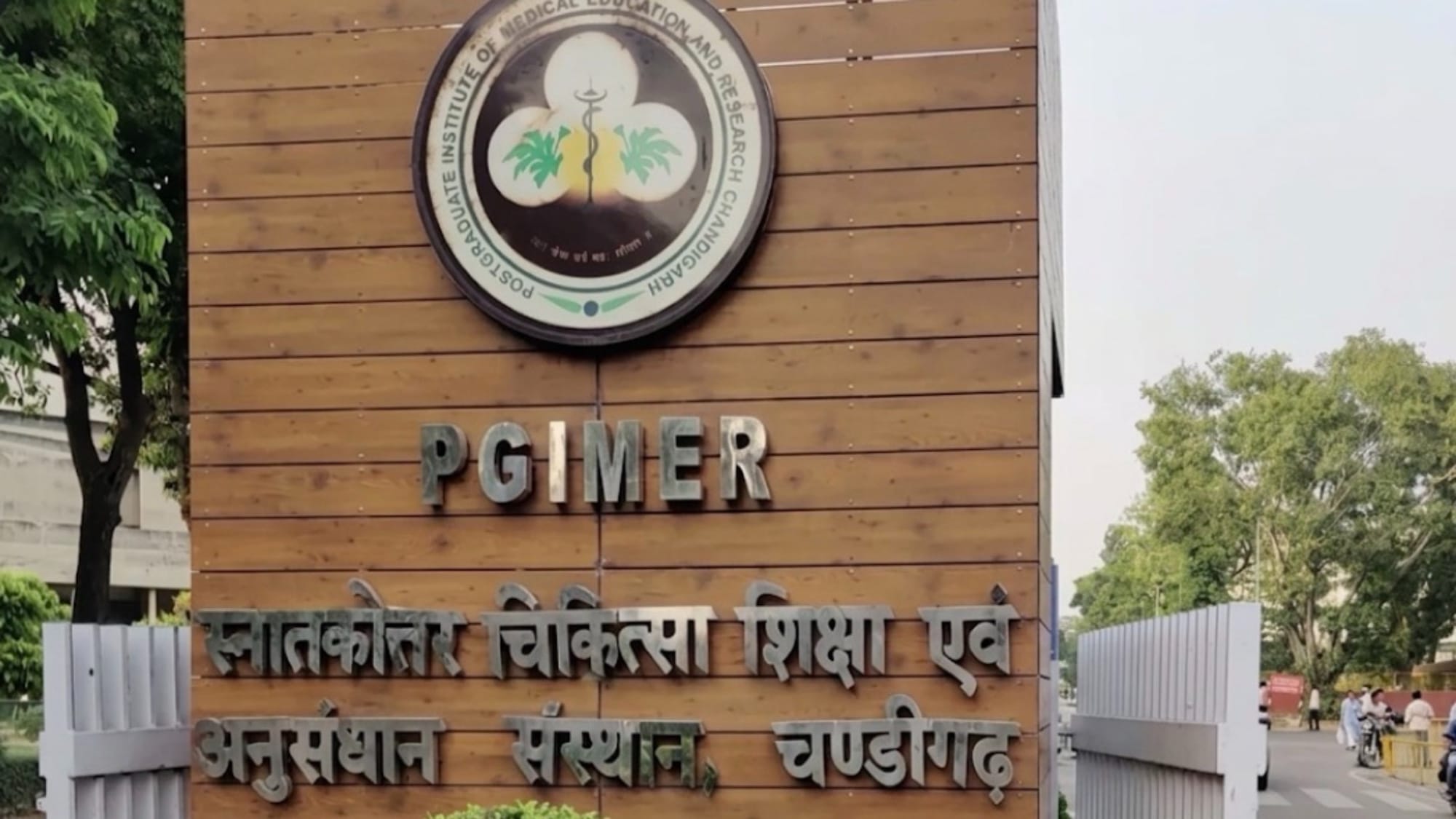
The resident doctor burnout crisis has reached a boiling point at one of India’s most premier medical institutes. Resident doctors at the Post Graduate Institute of Medical Education and Research (PGIMER), Chandigarh, are officially sounding the alarm over extreme, inhumane working conditions, reporting that government-mandated duty limits exist exclusively “on paper.”
The 30-Day Reality
Despite the Central Residency Scheme of 1992 explicitly capping resident duty hours at 12 hours a day and 48 hours a week, the ground reality at PGIMER is brutally different. Junior and senior residents—especially those posted in high-volume departments like Trauma, Internal Medicine, and Emergency—report routinely pulling continuous shifts exceeding 24 to 30 hours depending on case severity.
Worse still, doctors have flagged that they are frequently forced to work for up to 30 days at a stretch without a single weekly day off.
Circulars Ignored by HoDs
The administration is aware of the crisis. Back in September 2025, PGI Director Dr. Vivek Lal issued a strict circular to all departmental heads (HoDs), mandating that resident duty hours be optimized to ensure at least one mandatory weekly off to prevent severe physical and mental stress.
However, in the latest reports emerging this week, residents confirmed to medical news portals that the Director’s circular has been completely ignored. Due to severe staffing shortages and a massive, unrelenting patient load, HoDs expect residents to bridge the gap. Doctors are physically unable to leave critical patients unattended, resulting in 80 to 90-hour work weeks.
- Delhi Health Procurement Scam: ACB Arrests Former CPA Chief Dr Vinod Kumar Ranga
- Mumbai Crime Branch Arrests EduVio Directors in Alleged NEET MBBS Admission Scam
- NEET UG 2026 Re-Exam: No Leave for Medical Students on June 20-21 Ahead of Retest
The Toll on Mental Health and Patient Care
To get even a single day of rest, residents report having to apply for leave well in advance, which is rarely granted. Sleep-deprived and surviving on ready-made food, the doctors have warned that these grueling conditions are not only destroying their mental health but are fundamentally dangerous to patient safety. As one resident bleakly summarized: “We soldier on thinking this is our training stage, but a fatigued doctor is a direct risk to the patient”.