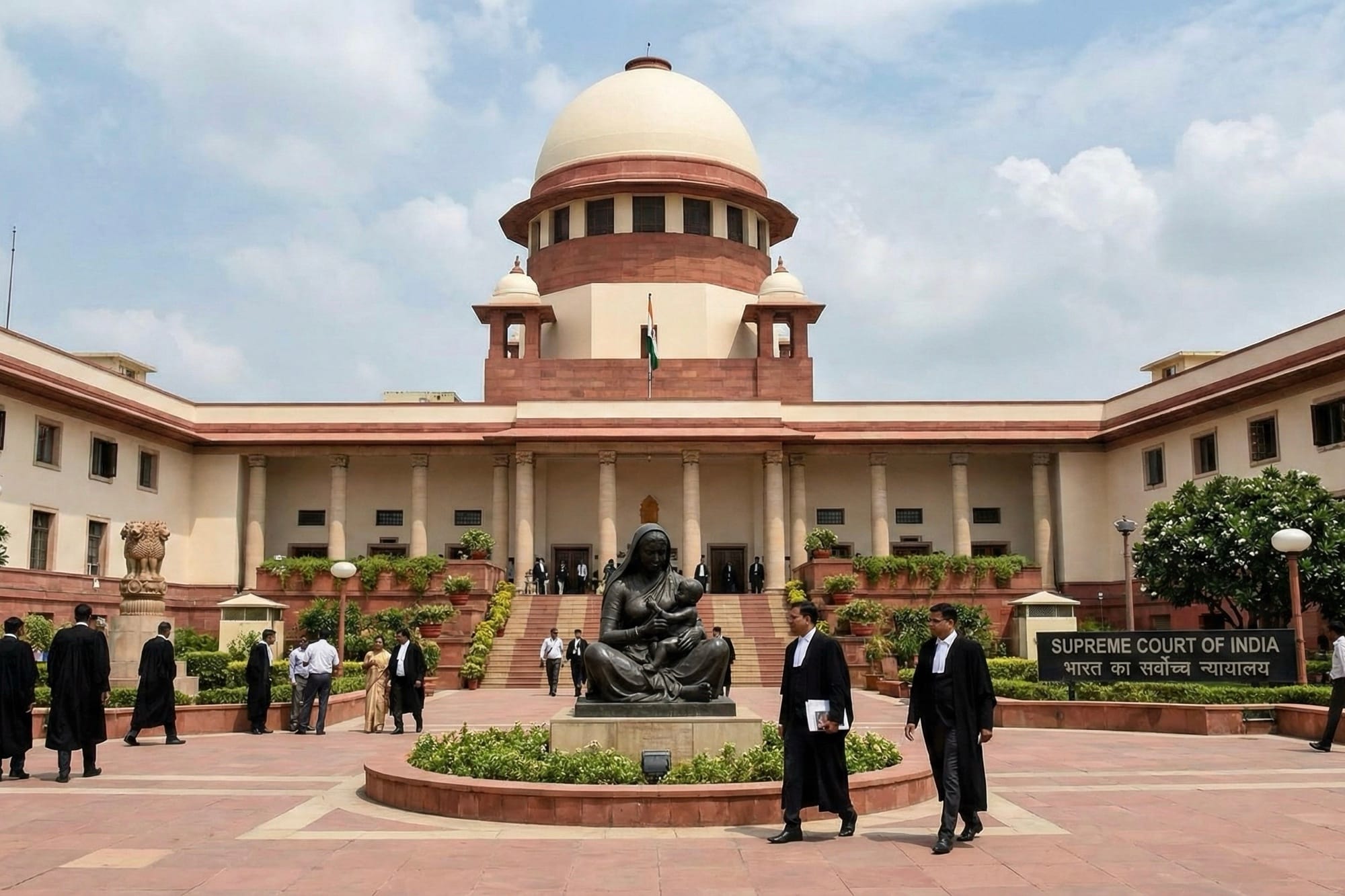
Supreme Court: Medical Negligence Claims Can Be Pursued Against Deceased Doctor’s Legal Heirs
In a landmark ruling with significant implications for the medical fraternity, the Supreme Court of India has officially declared that medical negligence cases do not automatically close upon a doctor’s death. Instead, complainants can pursue compensation claims against the deceased doctor’s legal heirs.
The Verdict Explained
On Monday, May 4, 2026, a Supreme Court Bench comprising Justices JK Maheshwari and AS Chandurkar delivered the judgment in the case of Kumud Lall v. Suresh Chandra Roy & Ors. The case originally stemmed from a 1997 complaint where a patient alleged she lost vision in her right eye following a surgery in 1990. The doctor involved in the litigation passed away in 2009, leading to a legal battle over whether his wife and son could be substituted as parties to the ongoing consumer dispute.
The legal heirs argued against their impleadment, citing the common law principle actio personalis moritur cum persona (a personal right of action dies with the person). However, the Supreme Court ruled that while personal injury claims abate upon death, claims for financial compensation and pecuniary loss survive under Section 306 of the Indian Succession Act. Therefore, legal heirs can be substituted in proceedings under the Consumer Protection Act.
- Delhi Dermatologist dr Manish Gupta Arrested for Murdering House Help in Kailash hills
- NEET UG 2026 Re-Exam: No Leave for Medical Students on June 20-21 Ahead of Retest
- Bhavnagar Medical College Ragging: 6 Orthopaedics Resident Doctors Suspended
What This Means for Doctors and Their Families
This ruling establishes a crucial legal precedent regarding liability:
• Estate Liability: The primary takeaway is that a deceased doctor’s estate remains financially liable for past clinical actions. If a consumer forum awards compensation for negligence, the money will be recovered from the assets and property left behind by the doctor.
• Protection of Personal Assets: The Court explicitly clarified that the legal heirs (spouse, children) are not personally liable for the doctor’s alleged negligence. They can only be asked to satisfy the financial claims strictly to the extent of the value of the estate they inherited from the deceased doctor.
• Procedural Shift: Consumer fora must first establish that clinical negligence actually occurred before distinguishing between recoverable claims from the estate versus non-survivable personal claims.