Maharashtra: Over 12,000 Doctors on Indefinite Strike Over Homoeopaths Prescribing Allopathy
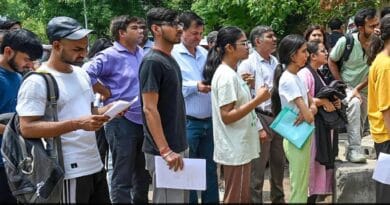
Healthcare services across Maharashtra have taken a massive hit as the Maharashtra Association of Resident Doctors (MARD) launched a statewide indefinite strike starting from midnight on Wednesday, August 5, 2026. The agitation stems from a deeply controversial state government mandate directing the Maharashtra Medical Council (MMC) to allow homoeopathic practitioners to officially prescribe allopathic medicines.
The Root of the Conflict: The CCMP Course
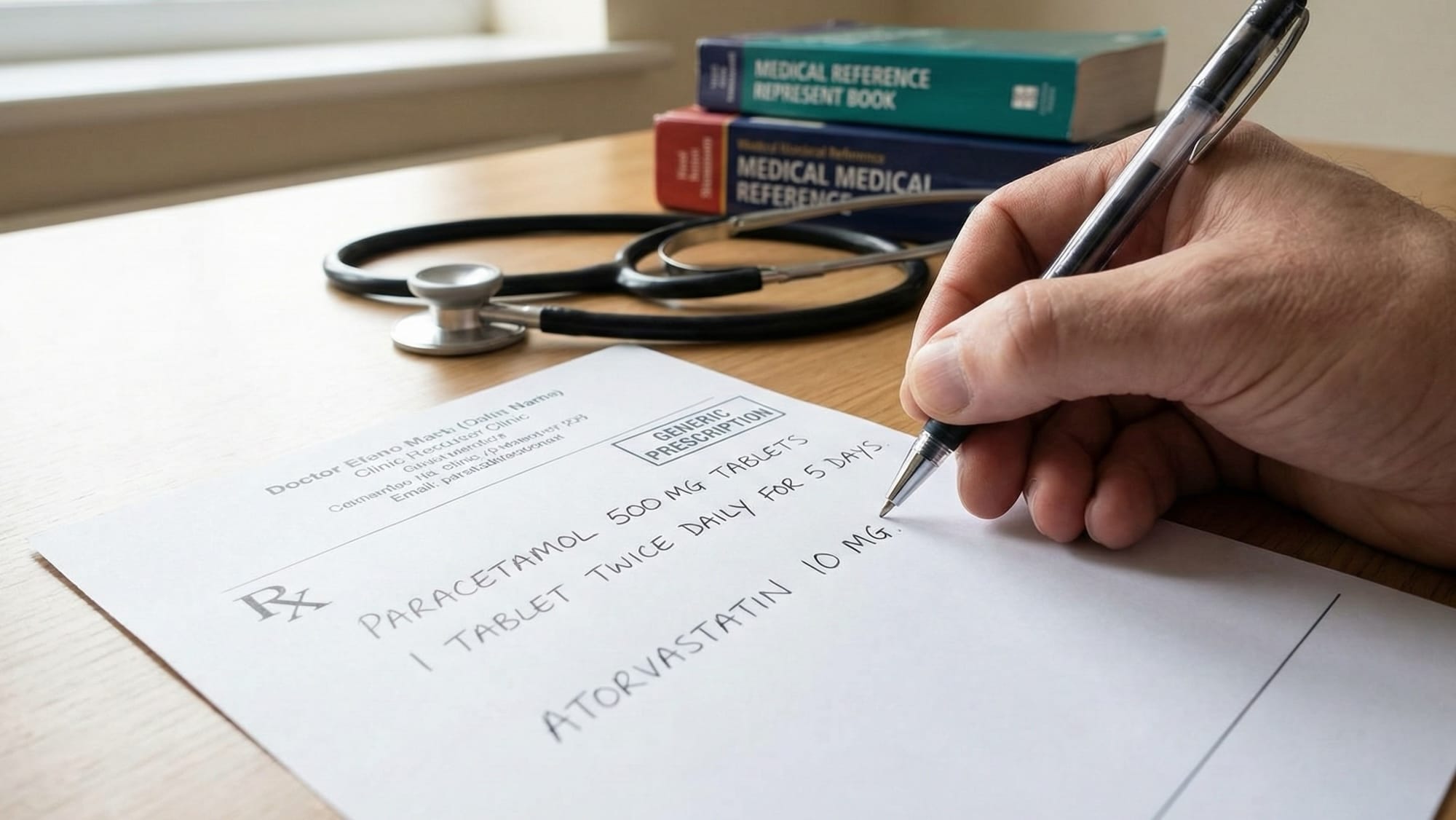
The core of the dispute lies in the Certificate Course in Modern Pharmacology (CCMP). On June 30, the MMC issued a notification permitting homoeopaths who successfully complete this six-month course to prescribe modern, allopathic medicines.
The situation rapidly escalated when the state government issued a fresh Government Resolution (GR) officially instructing the MMC to commence the registration of CCMP-qualified BHMS (Bachelor of Homoeopathic Medicine and Surgery) practitioners under a “separate register”—fundamentally granting dual-practice rights.
MARD’s Demands and Statewide Impact
Central MARD is demanding the immediate suspension of the BHMS-CCMP registration process until ongoing legal challenges regarding the matter are finalized in court. Currently, over 12,000 junior doctors are participating in the strike, including more than 2,000 from the four BMC-run medical colleges in Mumbai.
Service Withdrawal: Resident doctors have suspended routine duties, elective procedures, OPDs, and academic activities across government medical college hospitals statewide. At the state-run JJ Hospital in Mumbai, the impact was immediate: patient admissions dropped drastically from a daily average of 102 to just 12, and routine elective surgeries have been largely postponed.
Emergency Care Threat: While casualty and emergency services were initially maintained on compassionate grounds, Central MARD warned that emergency care will also be completely shut down if the government refuses to initiate dialogue.
National IMA Escalation: The strike has drawn massive support from the Indian Medical Association (IMA). In a direct letter to Chief Minister Devendra Fadnavis, the national IMA unit warned that if the dual registration policy is not rolled back, they are prepared to launch a pan-India strike involving doctors and medical students across the country.
The Mixopathy Debate: Who is Liable?
During a recent debate hosted by the Mumbai Press Club, the fault lines of this issue were clearly exposed. Dr. Jayesh Lele, representing allopathic practitioners, raised critical concerns regarding accountability, asking who is liable if a patient suffers severe side effects from an allopathic medicine prescribed by a homoeopathic doctor. Furthermore, he highlighted that such dual medical registration does not exist in other states. Conversely, Dr. Bahubali Shah, an administrator of the homoeopathic council, argued that the move is absolutely necessary to combat the acute shortage of doctors in rural areas.
To address the growing unrest and legal questions, the Maharashtra Government recently formed a six-member committee to define the competencies, ethical frameworks, and standard operating procedures (SOPs) for handling medical negligence cases involving CCMP-qualified BHMS doctors.
- MP NEET PG State Quota 2026: Service Bond, Discontinuation Penalty, and Stipend
- NEET PG 2026 Result Declared: Direct Link, Scorecard, and Cut-Off Marks
- AIIMS Jodhpur: PG Resident Dr. Raj Naresh Found Dead; Toxicity and Denied Leave Alleged
The Bottom Line
This standoff is the latest chapter in India’s ongoing “mixopathy” debate. While the government defends the move as a practical step to fill rural healthcare vacancies, sanctioning a six-month crash course to prescribe complex allopathic regimens undermines the years of clinical training required for an MBBS degree. Short-cutting medical qualifications is a dangerous precedent that risks patient safety under the guise of solving administrative shortages.