
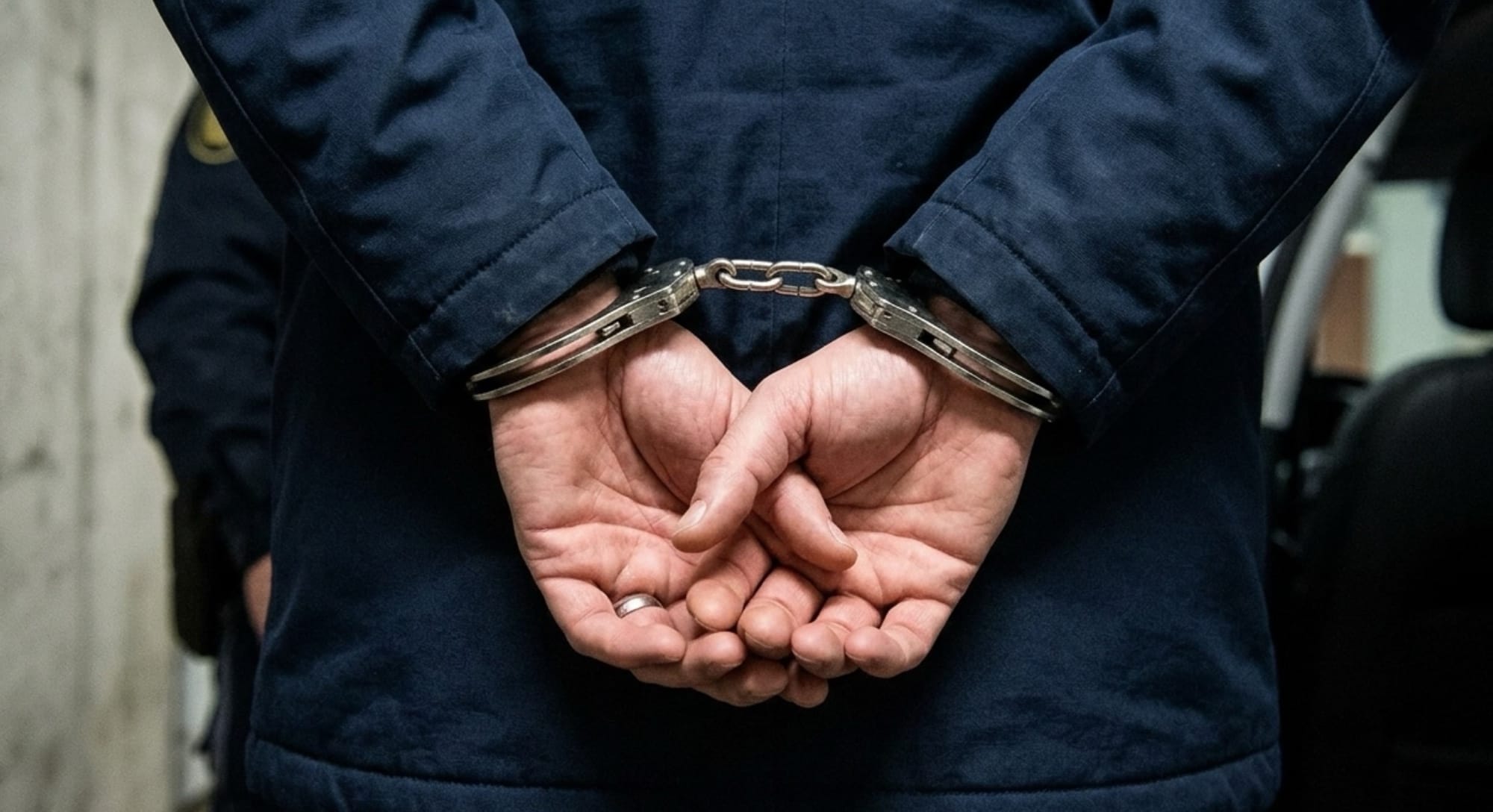
Sixth Accused Arrested in Fake Freedom Fighter Certificate MBBS Admission Scam
An alleged interstate racket that helped candidates secure MBBS admissions using forged Freedom Fighter certificates has widened further, with Uttar Pradesh Police arresting another accused linked to the network. The latest arrest, made on Friday, June 26, 2026, has taken the total number of accused arrested in the case to six, underscoring the scale of what investigators believe was a well-organised admission fraud operating across multiple districts.
The accused, a resident of Anand Vihar in Paharia, Varanasi, was arrested from his residence by a joint team of the SWAT unit and Gyanpur Police. According to investigators, he allegedly played a role in facilitating MBBS admissions by arranging forged Freedom Fighter certificates that were used to claim reservation benefits. Police say the investigation remains active and more arrests are possible as they continue to identify individuals connected to the network.
The case has once again placed the spotlight on document verification mechanisms in medical admissions. While the admissions under scrutiny date back more than a decade, the alleged fraud surfaced only after a comprehensive verification exercise by the Directorate General of Medical Education and Training (DGME), raising difficult questions about how forged documents escaped scrutiny for years before eventually coming under the scanner.
Also read: Bihar EOU Takes Over NEET UG 2026 Impersonation Case; 200 MBBS and Nursing Students Under Probe
Nine Forged Certificates Triggered the Investigation
The investigation originated on August 27, 2025, when the Director General of Medical Education and Training (DGME), Uttar Pradesh, ordered police verification of Freedom Fighter certificates submitted by nine students from Bhadohi. These students had reportedly secured admission to the MBBS programme under the Freedom Fighter Quota during the 2012–13 academic session.
Police verification reportedly found that all nine certificates were forged. Following these findings, a clerk posted at the Medical Education headquarters lodged a formal complaint, leading to the registration of an FIR against all nine students on September 20, 2025. What initially appeared to be a document verification exercise soon expanded into a criminal investigation involving multiple accused spread across different districts of Uttar Pradesh.
Investigators later identified an alleged kingpin from Jigna in Mirzapur, who is accused of collecting money from aspiring medical students in exchange for arranging forged certificates that enabled admission under the reserved category. He was arrested on November 24, 2025. During interrogation, police claim he disclosed the identities of other members of the network, resulting in successive arrests, including another accused from Vindhyachal and now the latest arrest from Varanasi.
Additional Superintendent of Police (ASP) Shubham Agrawal has confirmed that six accused have been arrested so far in connection with the case, while investigators continue to probe the wider network and its possible beneficiaries. Authorities are also examining whether additional forged documents were used in other admission cases or whether similar rackets operated beyond Uttar Pradesh.
- MP NEET PG State Quota 2026: Service Bond, Discontinuation Penalty, and Stipend
- NEET PG 2026 Result Declared: Direct Link, Scorecard, and Cut-Off Marks
- AIIMS Jodhpur: PG Resident Dr. Raj Naresh Found Dead; Toxicity and Denied Leave Alleged
A Disturbing Pattern of Medical Admission Fraud
Although the alleged offences relate to admissions granted over a decade ago, the case reflects a broader challenge confronting India’s medical education system, fraudulent admission practices that undermine both merit and public trust.
Medical admissions are among the most competitive in the country, with thousands of aspirants competing for a limited number of MBBS seats every year. Reservation categories exist to support historically recognised beneficiaries, but the misuse of forged certificates not only constitutes a criminal offence but also deprives deserving candidates of opportunities that legitimately belong to them.
The latest arrests come at a time when multiple examination- and admission-related frauds are being uncovered across India. Recently, Bihar Police dismantled a NEET-UG 2026 solver gang , arresting 30 individuals, including MBBS students, biometric staff, impersonators and other alleged accomplices. According to investigators, dummy candidates allegedly attempted to appear in NEET re-examinations using forged Aadhaar cards and manipulated biometric verification systems.
Among those arrested in Bihar were several medical students from institutions in Bihar and neighbouring states, along with biometric operators responsible for candidate verification at examination centres. That case demonstrated how organised networks are increasingly exploiting technology, forged identity documents and institutional loopholes to manipulate high-stakes medical entrance examinations.
Taken together, the Bihar solver gang case and the Uttar Pradesh forged certificate investigation reveal a worrying trend: admission fraud is no longer limited to isolated incidents but increasingly involves organised interstate networks with specialised roles ranging from document fabrication and impersonation to recruitment of candidates and financial transactions.
the bottom line
For medical education regulators, these investigations reinforce the urgent need for digitally verifiable certificates, interdepartmental database integration, real-time authentication of reservation documents, and stronger institutional audits before admissions are finalised. While criminal investigations may eventually bring those responsible to justice, preventing such fraud at the verification stage remains the most effective safeguard for preserving the integrity of India’s medical education system.



Pingback: MBBS Admission Scam: FIR Filed in Lucknow for Duping Bengal Man of ₹5 Lakh; 3 Booked - MedSnaps