J&K PG, DNB and Diploma Doctors Protest Over Six Months of Unpaid Salaries
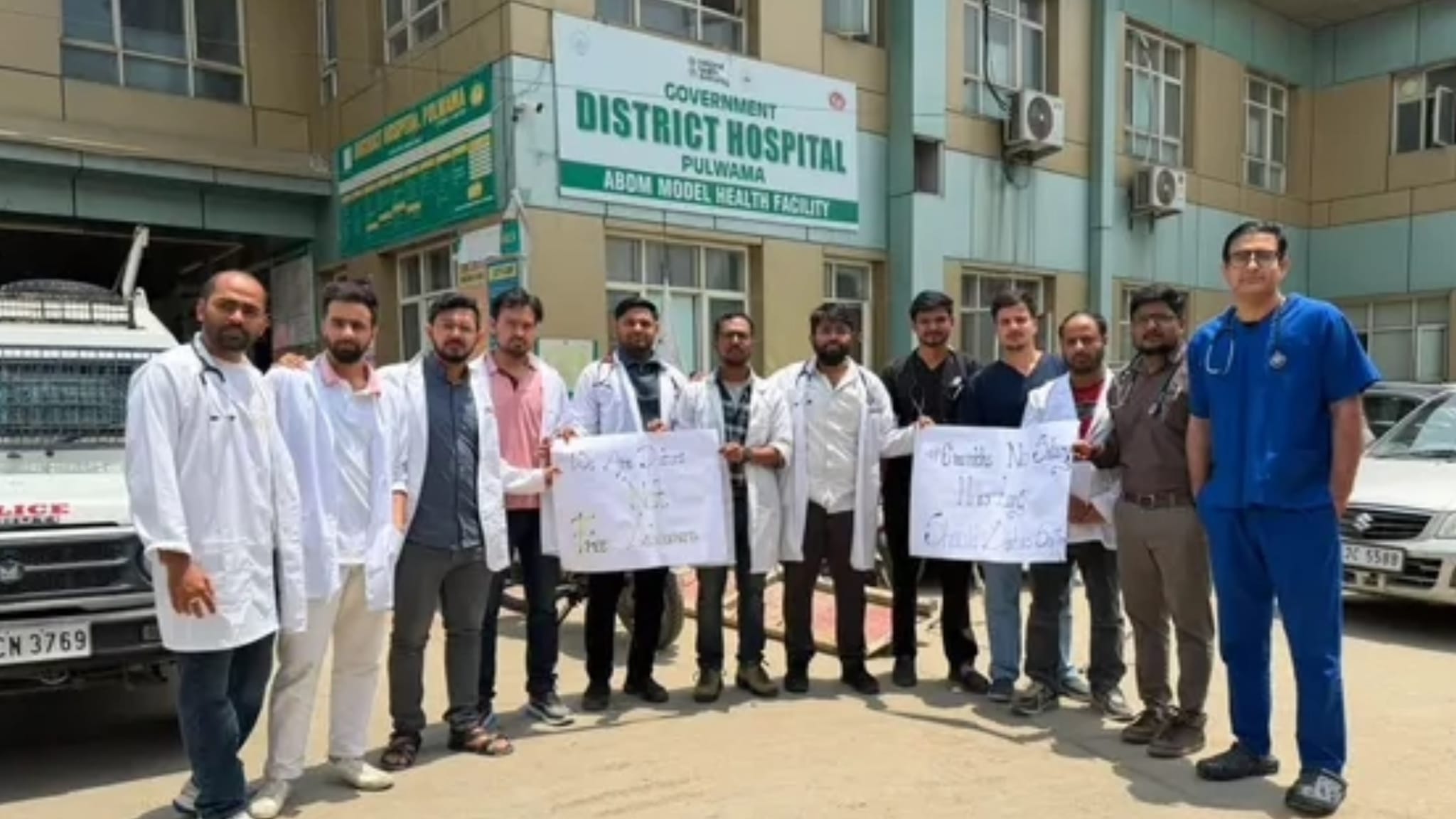
Postgraduate (PG), DNB, and Diploma doctors across Jammu & Kashmir have launched a peaceful protest after allegedly not receiving their salaries and stipends for the last six months. Despite the prolonged delay, doctors have continued providing clinical services across healthcare facilities in the Union Territory, raising serious concerns about workforce welfare and administrative accountability.
Among the affected institutions are District Hospital Pulwama and Sub-District Hospital Shopian, where resident doctors report that pending payments have accumulated for half a year. The protest, initiated on June 16, 2026, highlights the growing frustration among trainees who remain at the frontline of patient care while facing mounting personal and financial pressures.
Financial Distress Amid Clinical Responsibilities
Doctors participating in the protest stated that they have continued fulfilling emergency, inpatient, and outpatient responsibilities despite receiving no remuneration for six months. The situation has sparked concerns about the sustainability of healthcare delivery when resident doctors are expected to shoulder critical clinical workloads without timely payment.
Health activist Mohammad Momin Khan publicly supported the protesting doctors, urging the Jammu & Kashmir administration to immediately release pending salaries. He questioned how healthcare system can expect uninterrupted service from doctors facing prolonged financial uncertainty while continuing to serve patients round the clock.
- Odisha: Pregnant Woman Dies at Malkangiri Hospital, Doctor Assaulted Amid Negligence Allegations
- Andhra Medical College: Associate Professor Suspended Over abuse, Sexual Harassment allegations
- Maoist funding case: Madras High Court Refuses MBBS Graduate’s Plea for Degree Certificate
A Recurring Administrative Crisis
Delayed stipends and salaries for resident doctors have repeatedly triggered unrest across medical institutions in India. While governments often emphasize healthcare workforce shortages, incidents such as these expose a persistent disconnect between policy commitments and the basic financial rights of doctors.